Cultural Preservation
Shawls of Zura: Textile Craft Revival
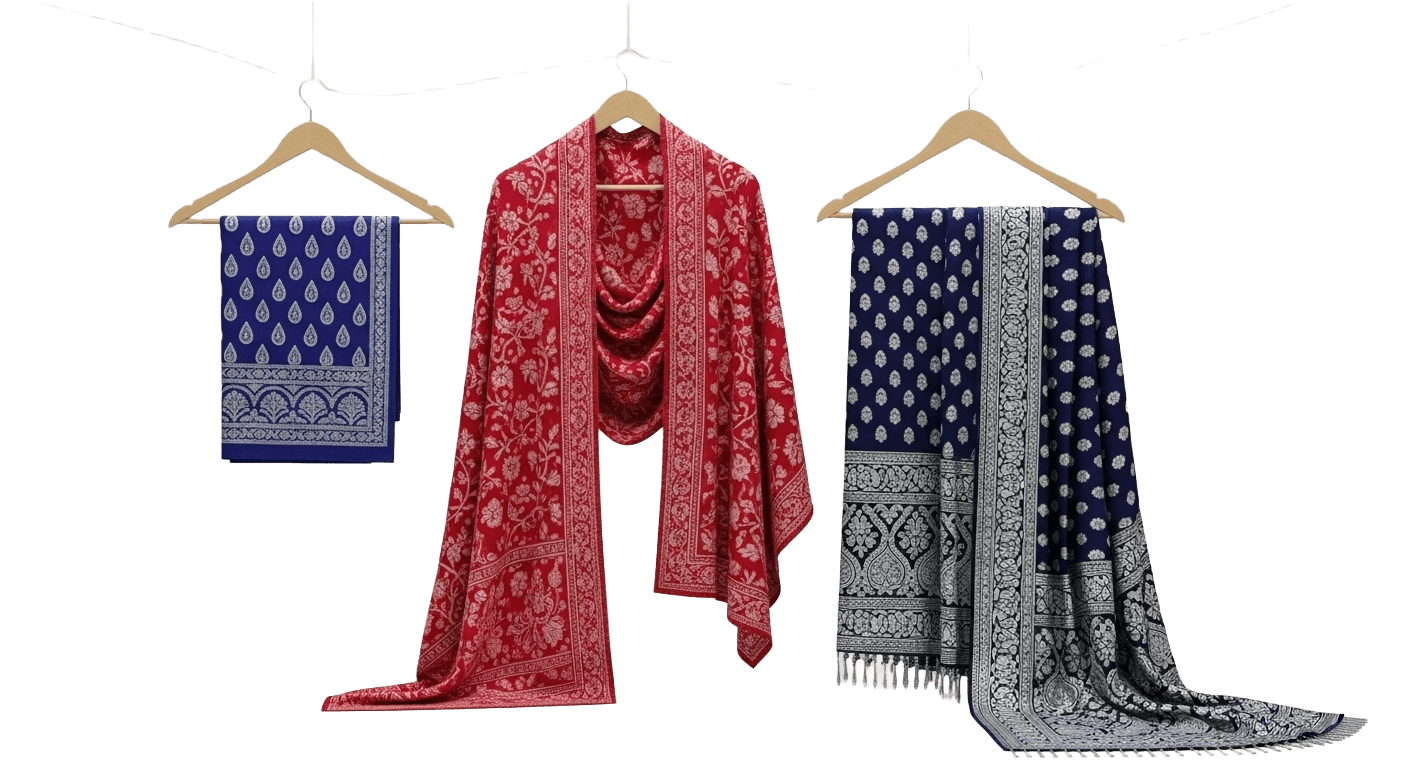
The 'Challenge'
Local artisans face declining incomes and market competition from mechanised shawl production, compounded by limited direct sales channels and gaps in sustainable practices, threatening the continuity of Zura’s weaving heritage.
Project 'Brief'
Documents and revitalizes Kutch shawl weaving in Zura village, combining traditional craft research with sustainable, market-driven interventions to empower artisans and preserve their cultural heritage.
Design 'Process'
Adopting a structured 6-pillar approach for in-depth understanding
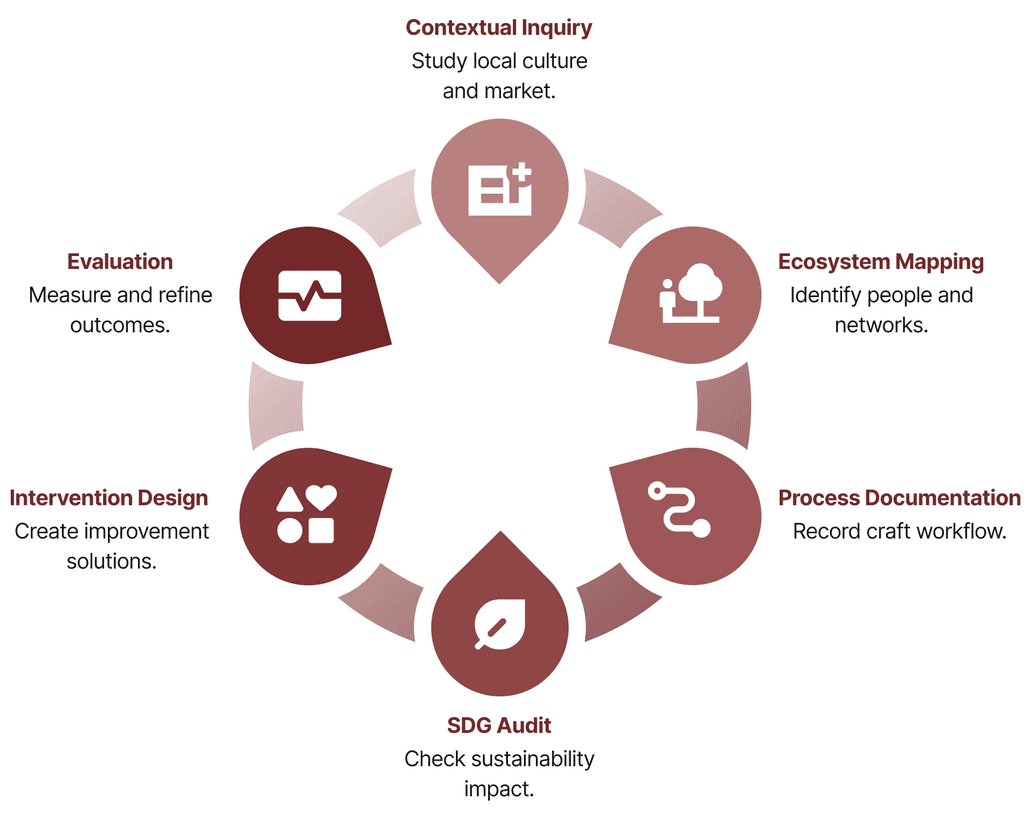
6-pillar approach Process
Contextual
Inquiry
Studied geography
History
Artisan challenges
Household 'Mapping'
Applying the framework, the team worked with three households:
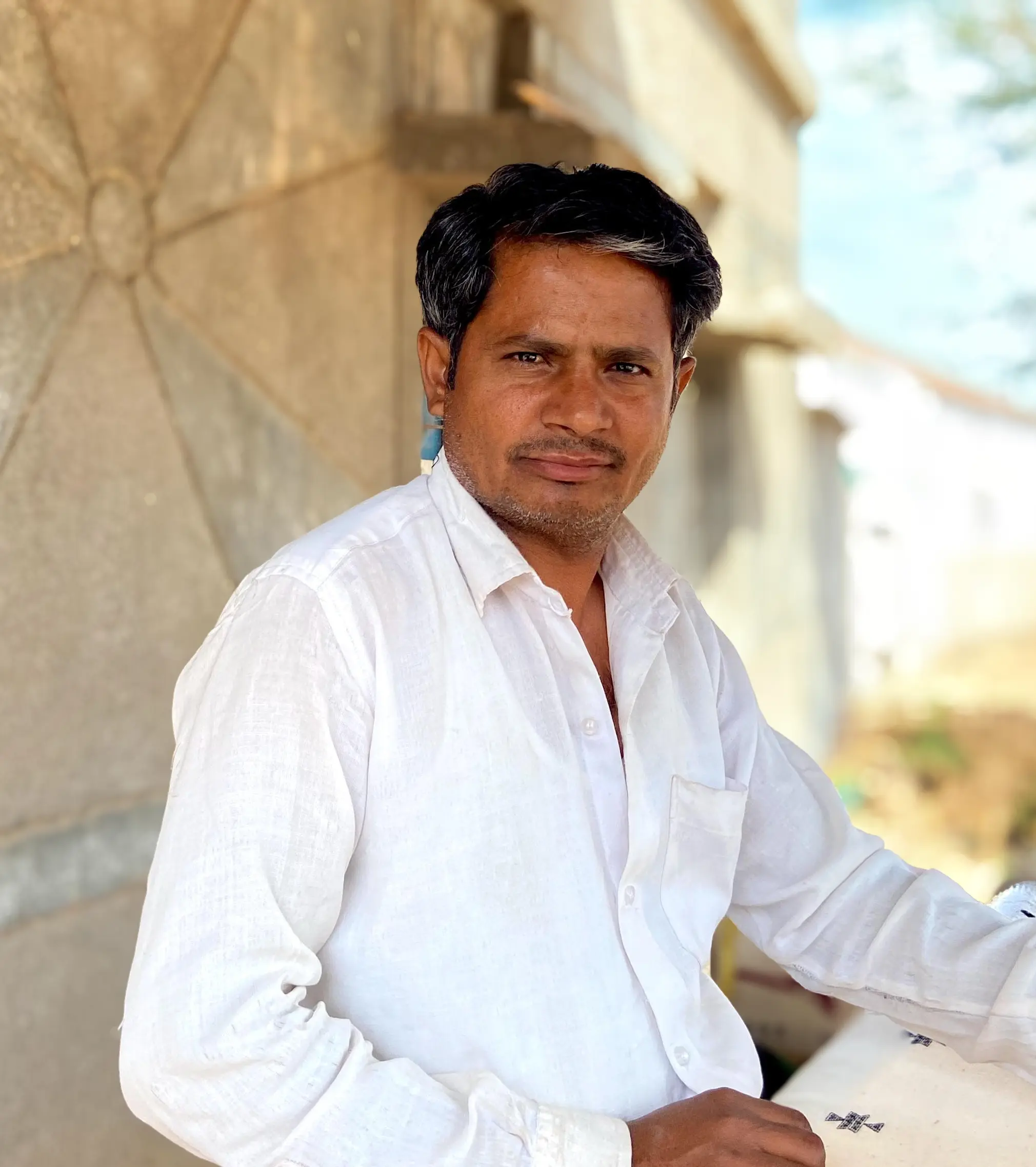
Khanji Buchiya
(4th-gen Odhana weaver)
Moved 35 % of monthly sales to direct online channels after colour-palette refresh.
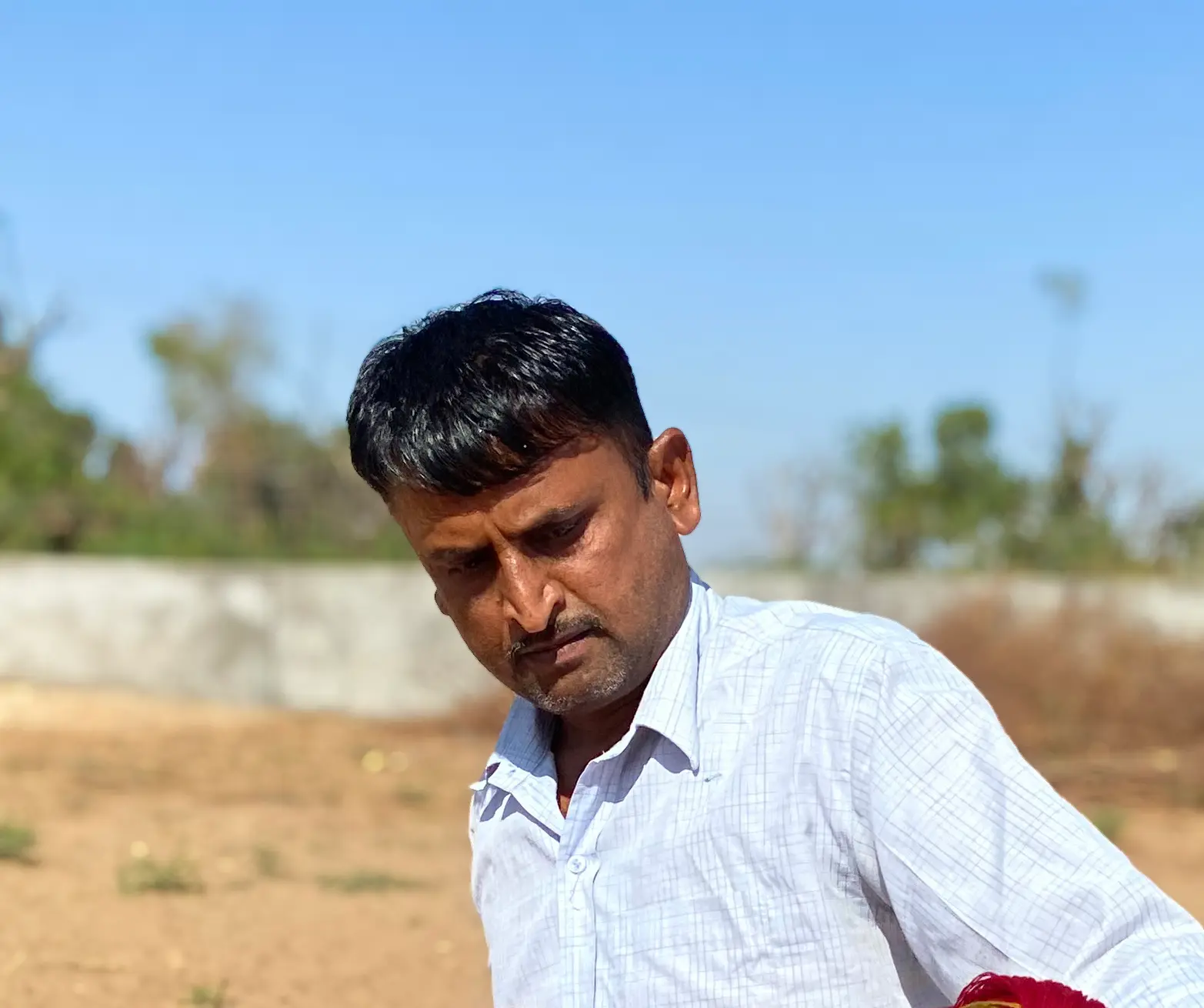
Lalji Marwada
(1st-gen weaver)
Adopted natural-dye borders, reducing chemical input costs by 12 % and winning a city-boutique order of ₹42 k.
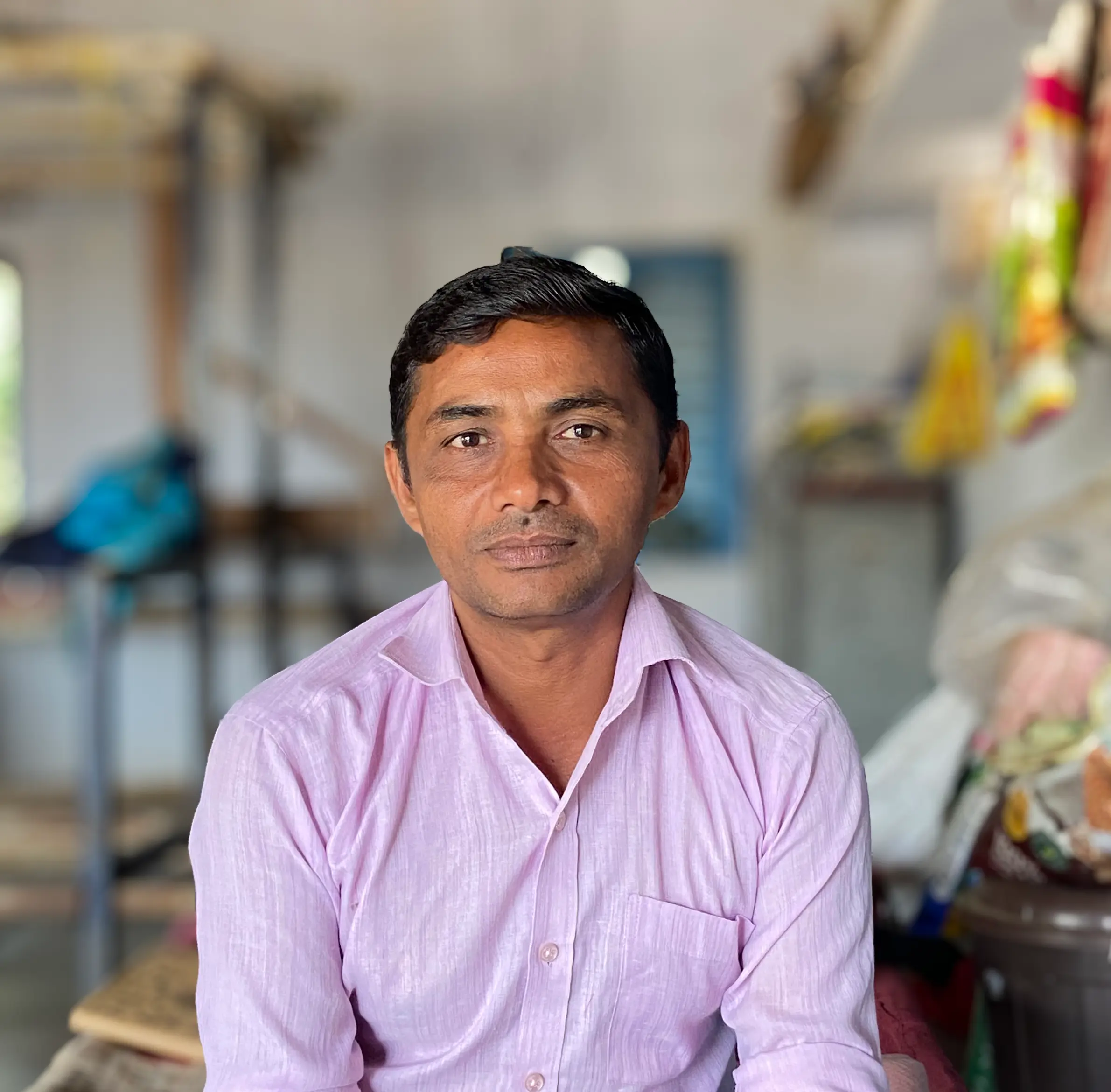
Babu Vankar
(new entrant)
Trained on warping-frame ergonomics; warp wastage fell from 8 % to 3 %.
Key 'Problems'
Design and business interventions for craft revival.


Weaving 'Workflow'
Understanding the craft, the community, and the market.


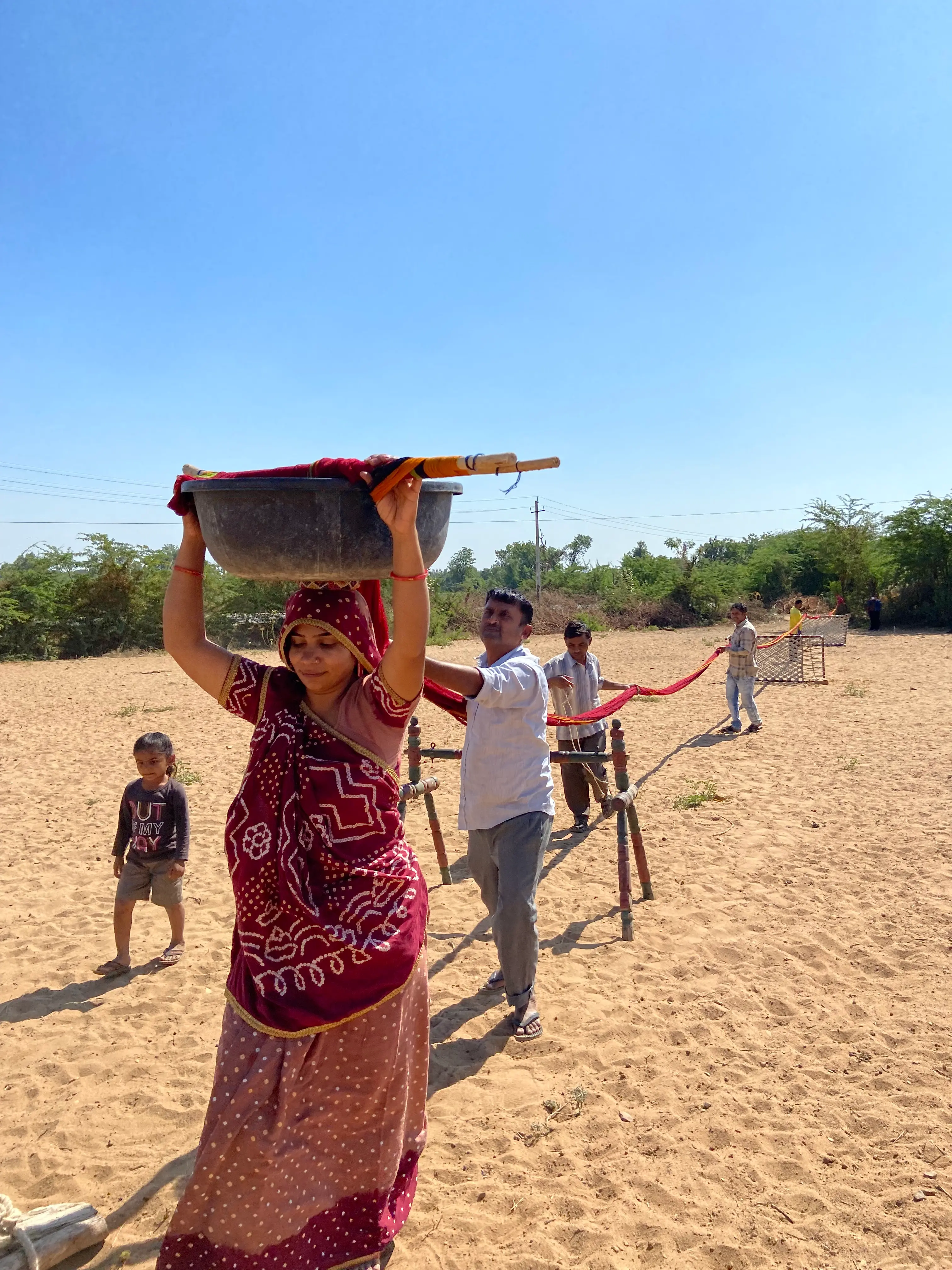
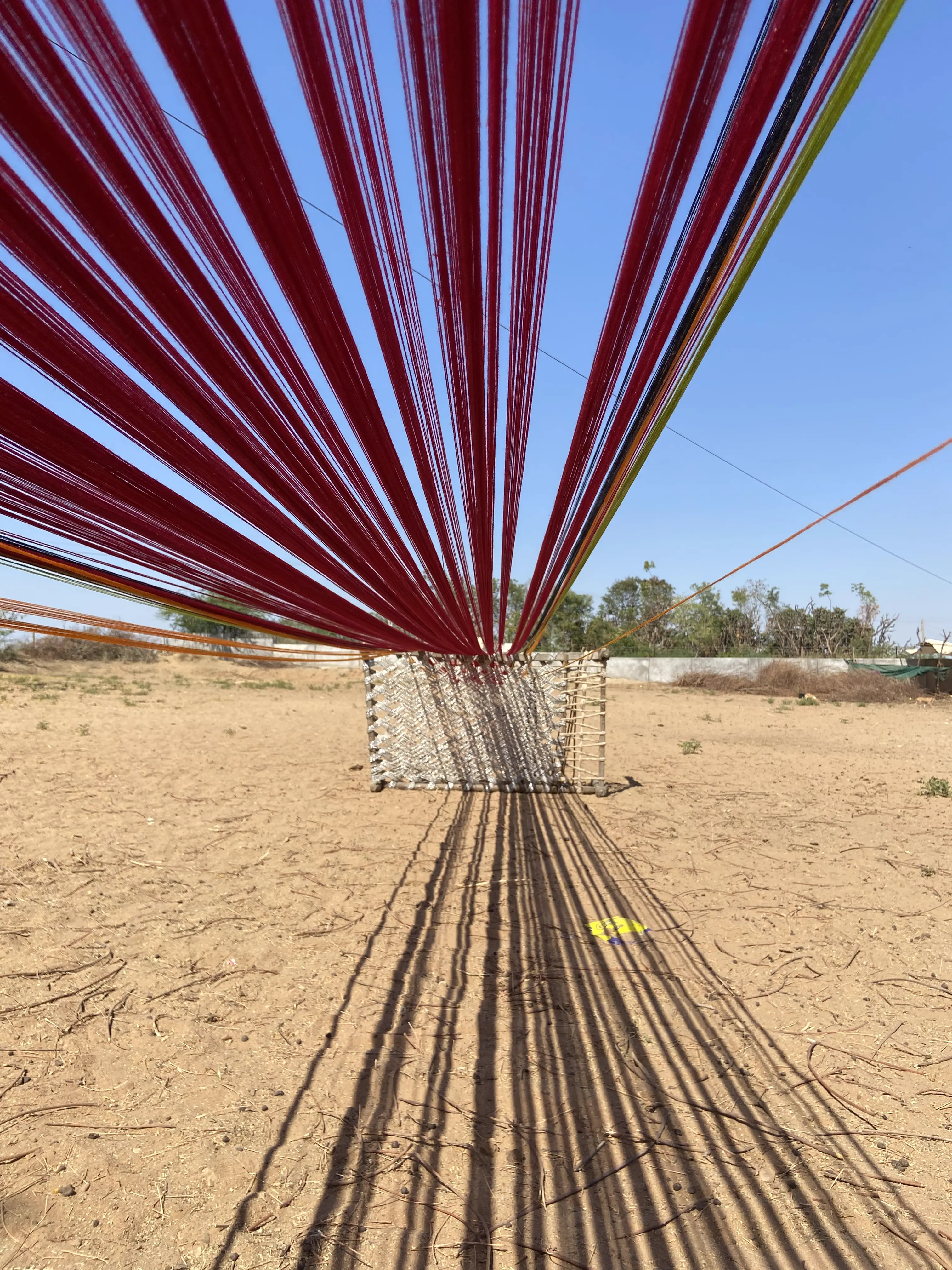
Starching
Lal ji bhai performing the process

Key 'Insights'
Learnings from field implementation


Research 'Interventions'
Cultural preservation and economic empowerment.
Product Development


Business & Digital Enablement


Ecosystem Engagement


Key 'Outcomes'
Measurable impact on sales, costs, and resource use


Next 'Steps'
Steps for long-term growth


Key 'Learnings'
The power of participatory design and continuous adaptation.


Conclusion
Heritage and innovation can co-exist
Participatory, research-driven strategies can revitalise traditional crafts. Zura’s shawl weaving ecosystem stands as a model for integrating heritage, innovation, and social impact in rural development.