Educational Design
STEAM Pedagogical Aids: Educational Design Framework
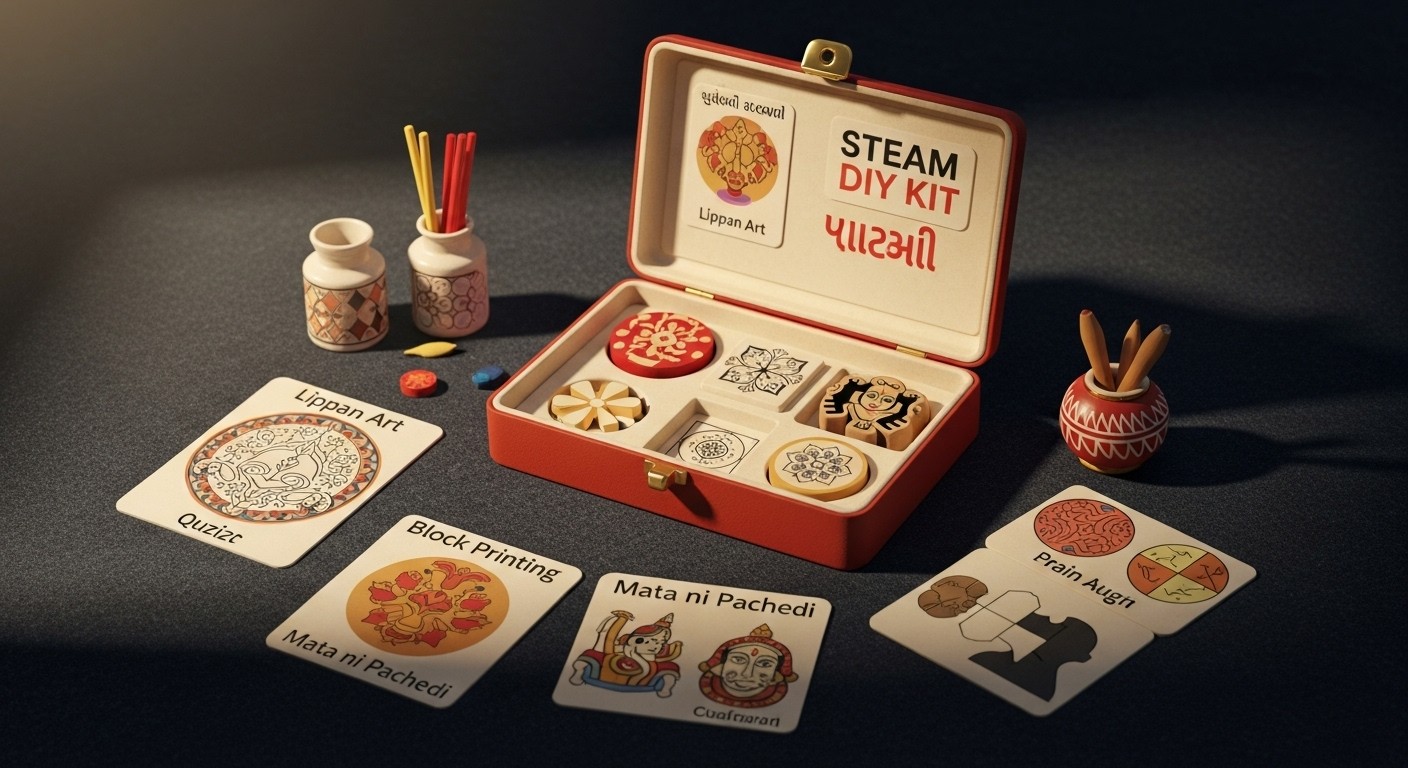
The 'Challenge'
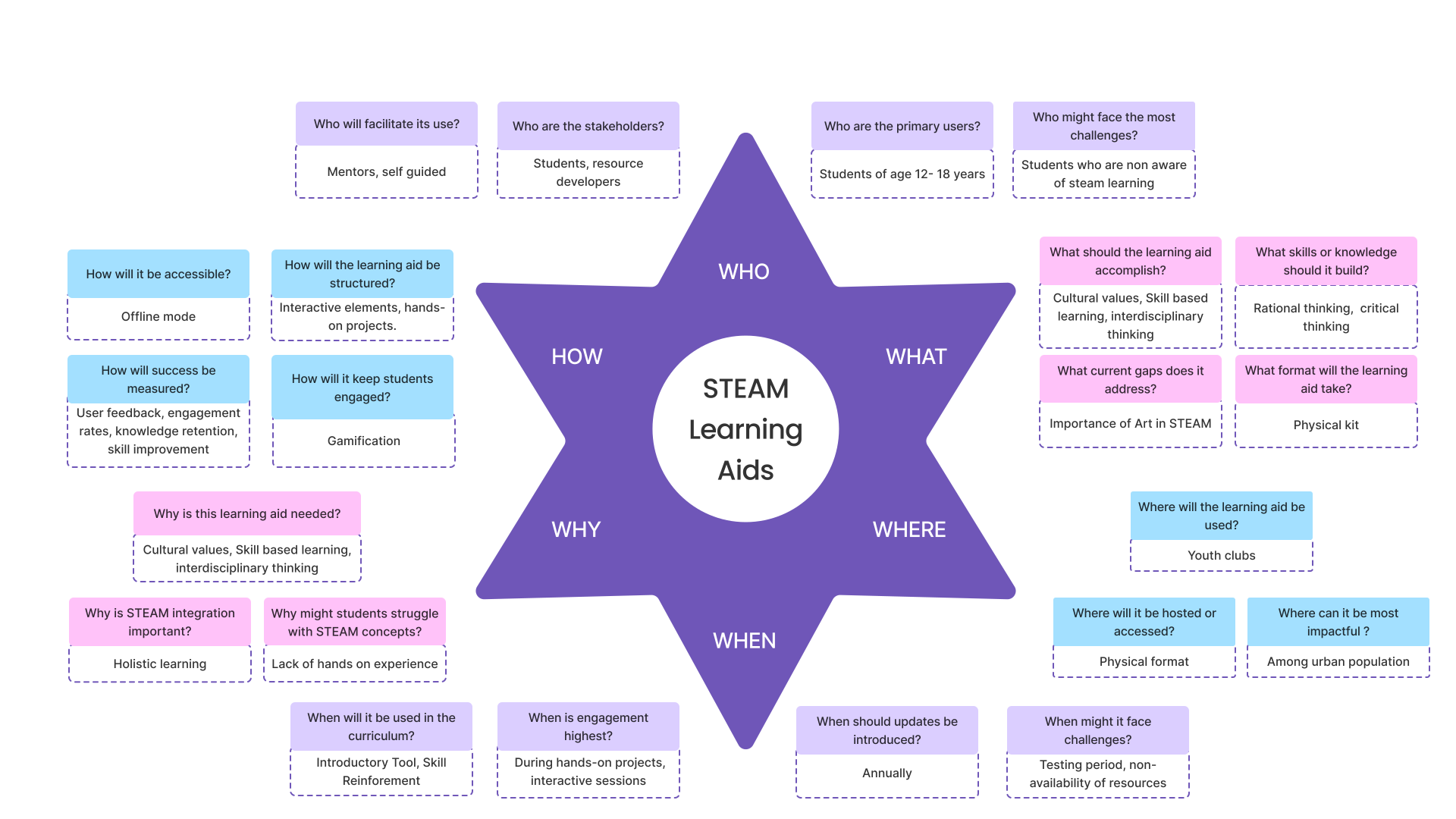
How might we give urban youth an offline, culturally rich STEAM experience that boosts engagement by at least 5% in one semester?
Project 'Brief'
Create a scalable STEAM kit and framework that integrates arts with STEM, encourages collaboration and critical thinking, and adapts to diverse learning environments all while remaining fully offline and affordable.
Design 'Process'
The seven stages of the design process
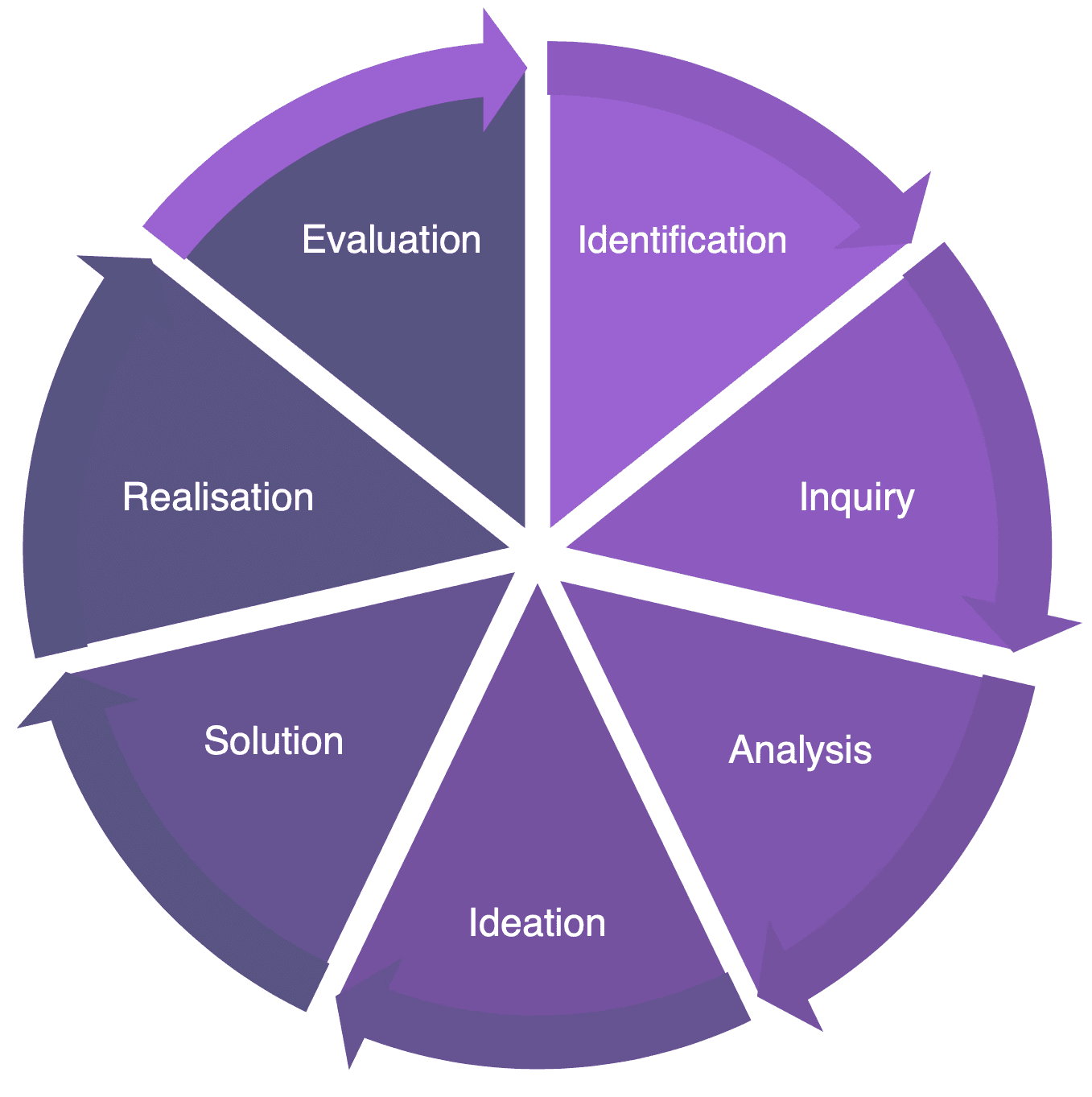
Design Process
Why It 'Matters'
Mainstream schooling often limits learning to lectures and exams, sidelining creativity, critical thinking, and local heritage.
Survey insights from 100 Ahmedabad students revealed:
+
75
%
prefer hands-on activities.
+
70
%
struggle to learn arts due to lack of tactile engagement.
+
29
%
want stories rooted in their own culture.
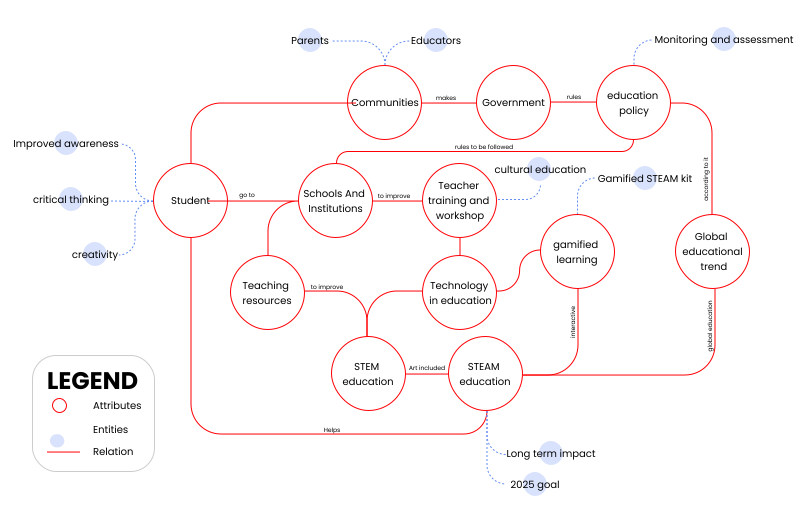
This highlighted a dual challenge scarce access to practical STEAM tools and declining awareness of regional crafts.
Concept 'Evolution'
User and educator voices drive the design.

Early Concepts
AR story scrolls, travelling puppet theatre, festival pop-up boxes.

Final Choice
DIY kit + board game + comic-strip trilogy—selected for affordability (₹ < 600/unit), tactile richness, cultural depth, and scalability.
Prototyping 'Highlights'
Innovative solutions for modern education.

Craft Kits
Replaced fragile Lippan mirrors with safe reflective stickers.

Board Game
Added “Festival Bonus” squares to integrate cultural events with probability lessons.

Comic Strips
Simplified dialogues to 6th-grade level after learner testing.
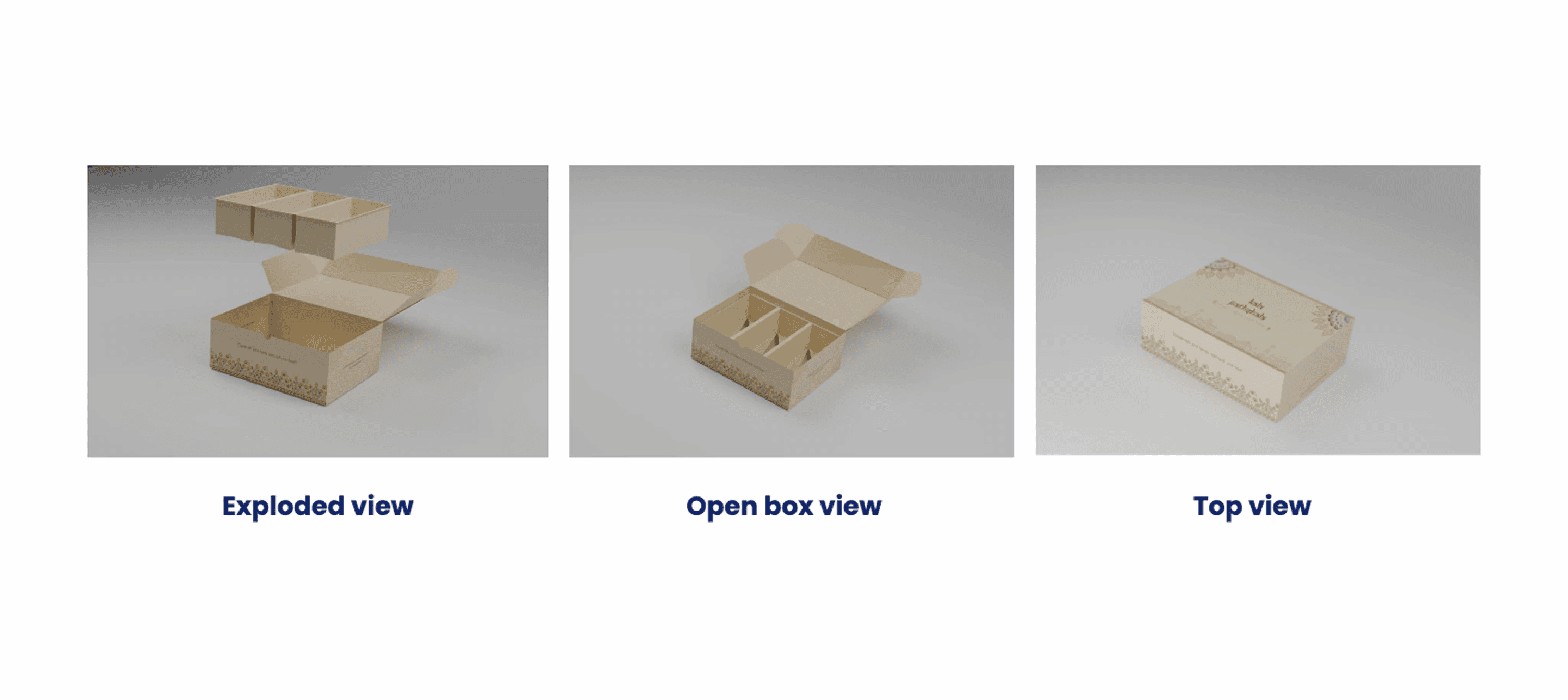
Craft Kit
Lo-fi prototype
Final 'Solution'
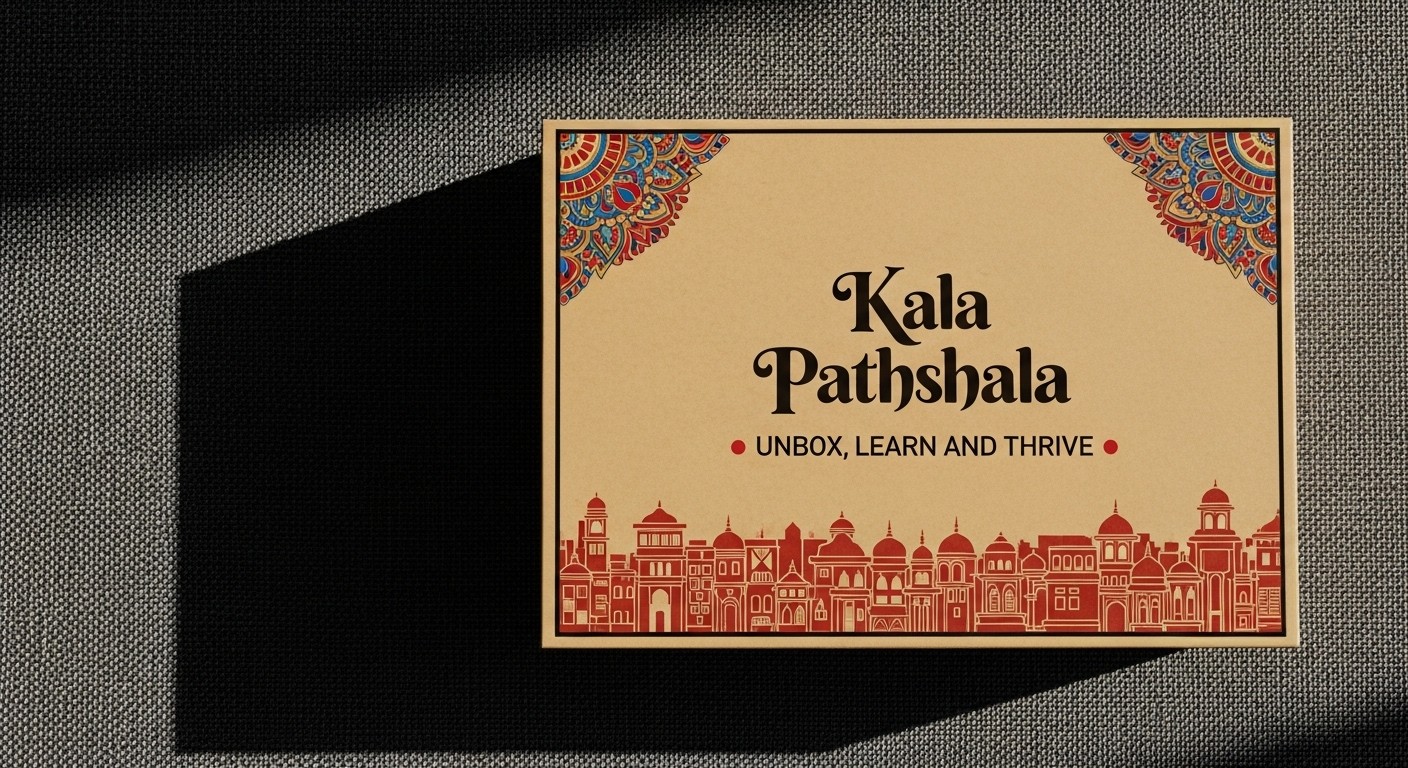
Kit Components & Their Linkages
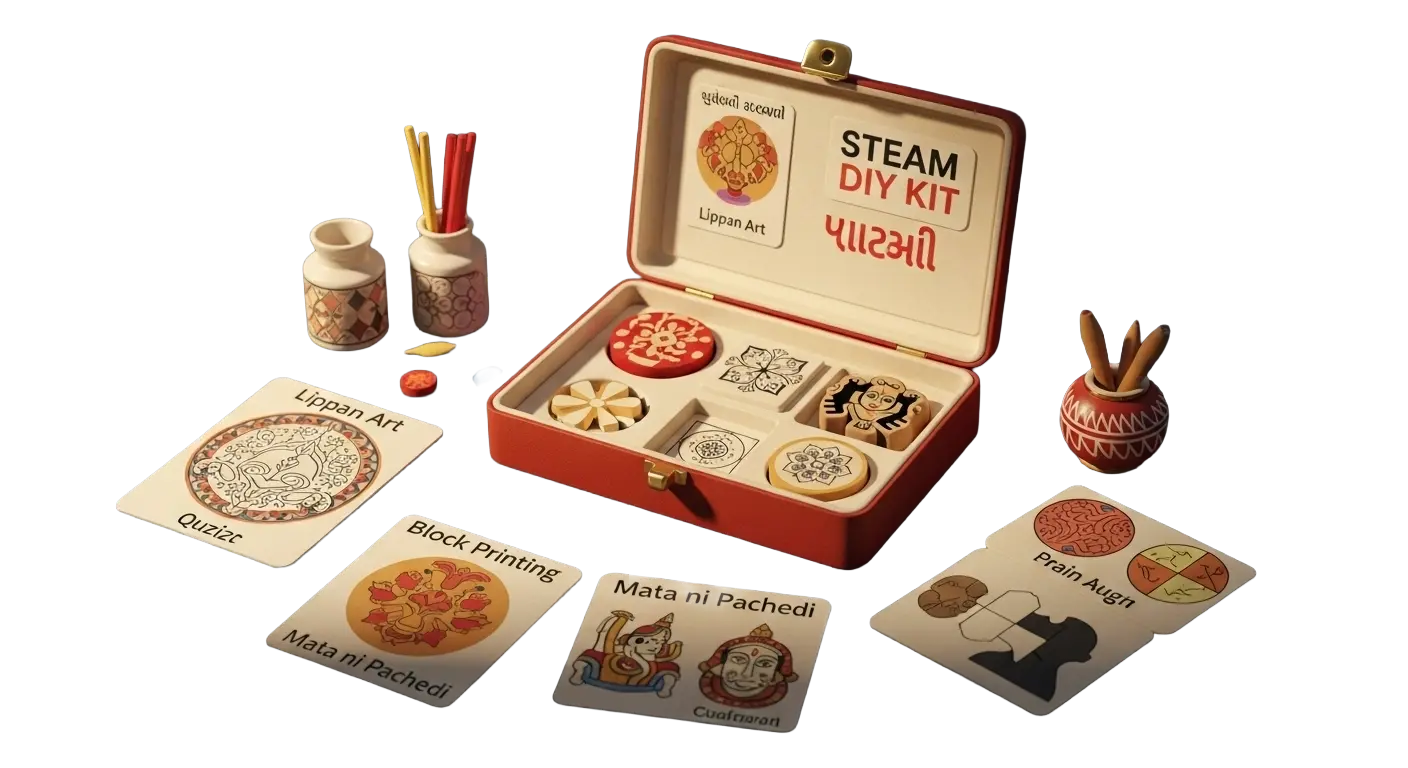
Recyclable materials, water-based pigments, bilingual (Gujarati/English) instructions.

Lippan Art Pack
Geometry & reflection → Inspired by Kutch mud–mirror craft.

Block-Printing Pack
Repetition & tessellation → Rooted in Gujarat’s textile heritage.

Mata-ni-Pachedi Pack
Natural dyes & chemistry → Narratives of the Mother Goddess tradition.

“Journey through Gujarat” Board Game
Probability & geography → Showcasing festivals, wildlife, and landmarks.

Comic Chronicles
Storytelling & creativity → Drawn from folk tales and ethical values.
Key 'Impact'
Boosted engagement, confidence, and critical thinking through culturally rooted, hands-on STEAM learning.
+
29
%
On-task time
+
22
%
Confidence linking art & science
+
19
%
Critical thinking score
Key 'Learnings'
Designing offline, culture-driven tools can make STEAM education more engaging and inclusive.

Offline-First
Improves reach and focus.

Culture as Catalyst
Drives intrinsic curiosity.

Rapid Iteration
Keeps costs low and insights fresh.
Next 'Steps'
Expand kit content, integrate renewable energy modules, and scale statewide distribution.

Renewable Energy Modules
Introduce solar dye-printing and related experiments.

Facilitator App
Enable adaptive challenges for diverse learners.

Statewide Scale-Up
Distribute 1,000 kits via Atal Tinkering Labs.
Conclusion
A replicable model for future-ready, meaningful education.
STEAM Pedagogical Aids demonstrates how user-centered, research-driven design can make learning hands-on, interdisciplinary, and culturally relevant preparing students for the demands of tomorrow’s world.