Research Project
PustakGhar: Framework for Enhancing Reading Habits and Culture
A comprehensive research and design initiative focused on understanding and improving reading culture in communities through accessible literature hubs.
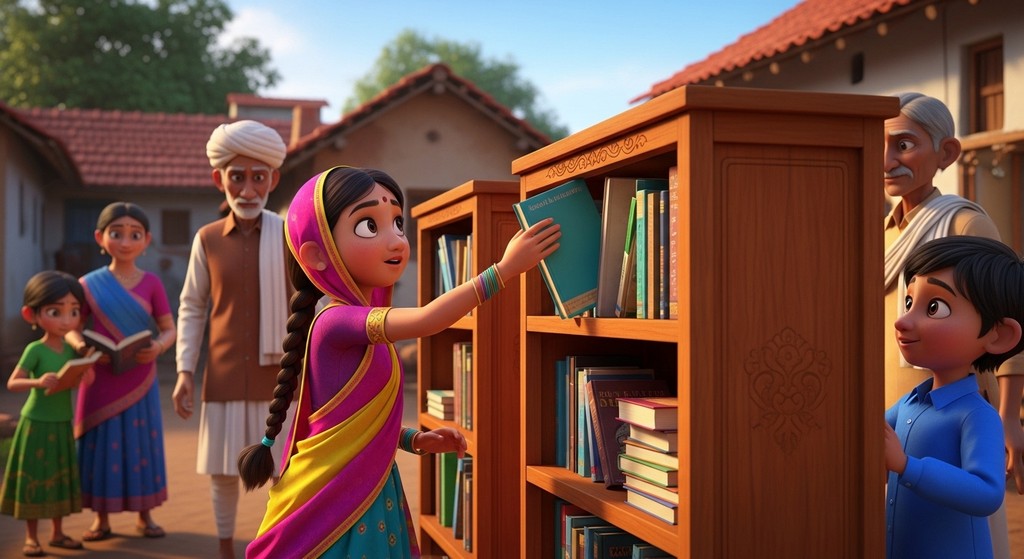
Project Details
Project Duration
6 Months (2024)
Location
Sasan Gir (Gir National Park)
Research Methods
Field research, interviews, stakeholder mapping, experience mapping
Tools & Technology
Figma, canva, social innovation, community engagement
Project Impact
The Pustak Ghar framework provides a replicable model for establishing community-driven literature hubs that can be adapted across different regional and cultural contexts.
Project Overview
The Pustak Ghar (Book House) project is a design-led initiative aimed at enhancing reading habits and culture within communities. This project involves extensive field research, stakeholder mapping, and the development of a framework to establish accessible literature hubs.
Through this project, we explored the relationship between people, literature, and community spaces, identifying gaps and opportunities to create more engaging and sustainable reading environments.
Project Goals
Map current reading habits and access to literature in target communities
Identify barriers to reading and literature engagement
Develop strategies to enhance reading culture through community-based interventions
Create a sustainable framework for implementing and managing community book houses
Foster intergenerational knowledge sharing through literature
Process
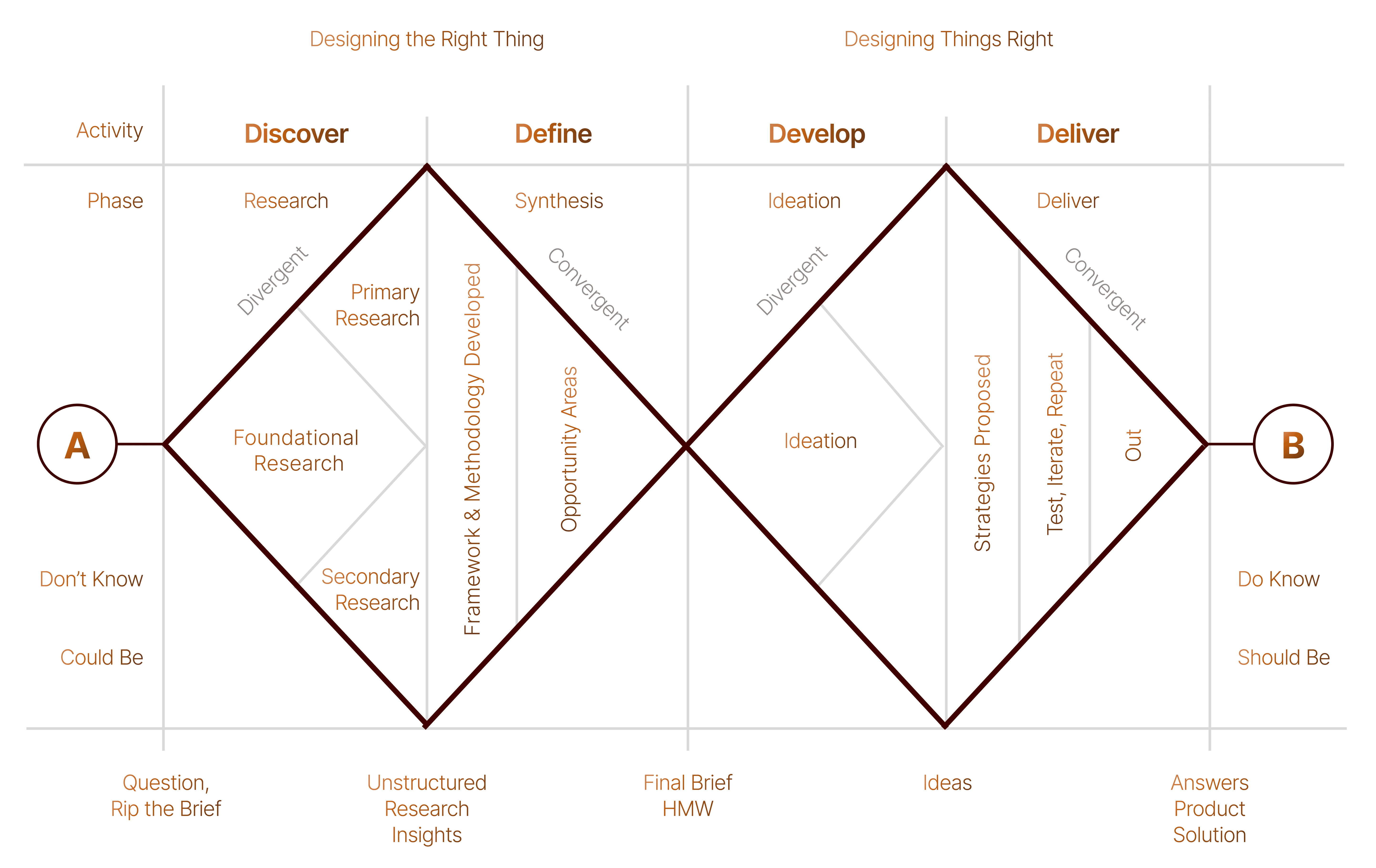
The project followed the Double Diamond methodology, structured into four distinct phases aimed at enhancing reading habits and culture within communities.
Phase 1: Discovery
Foundational Research
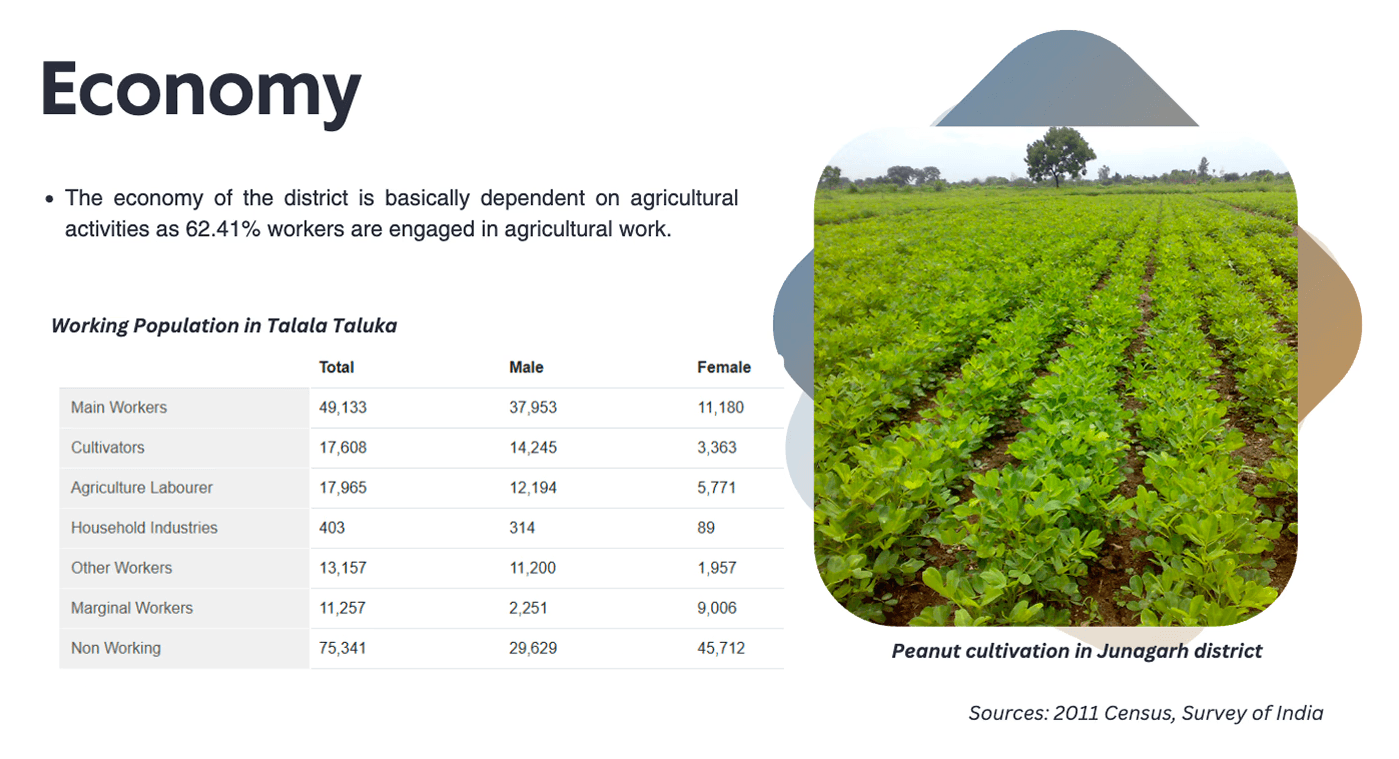
Economy
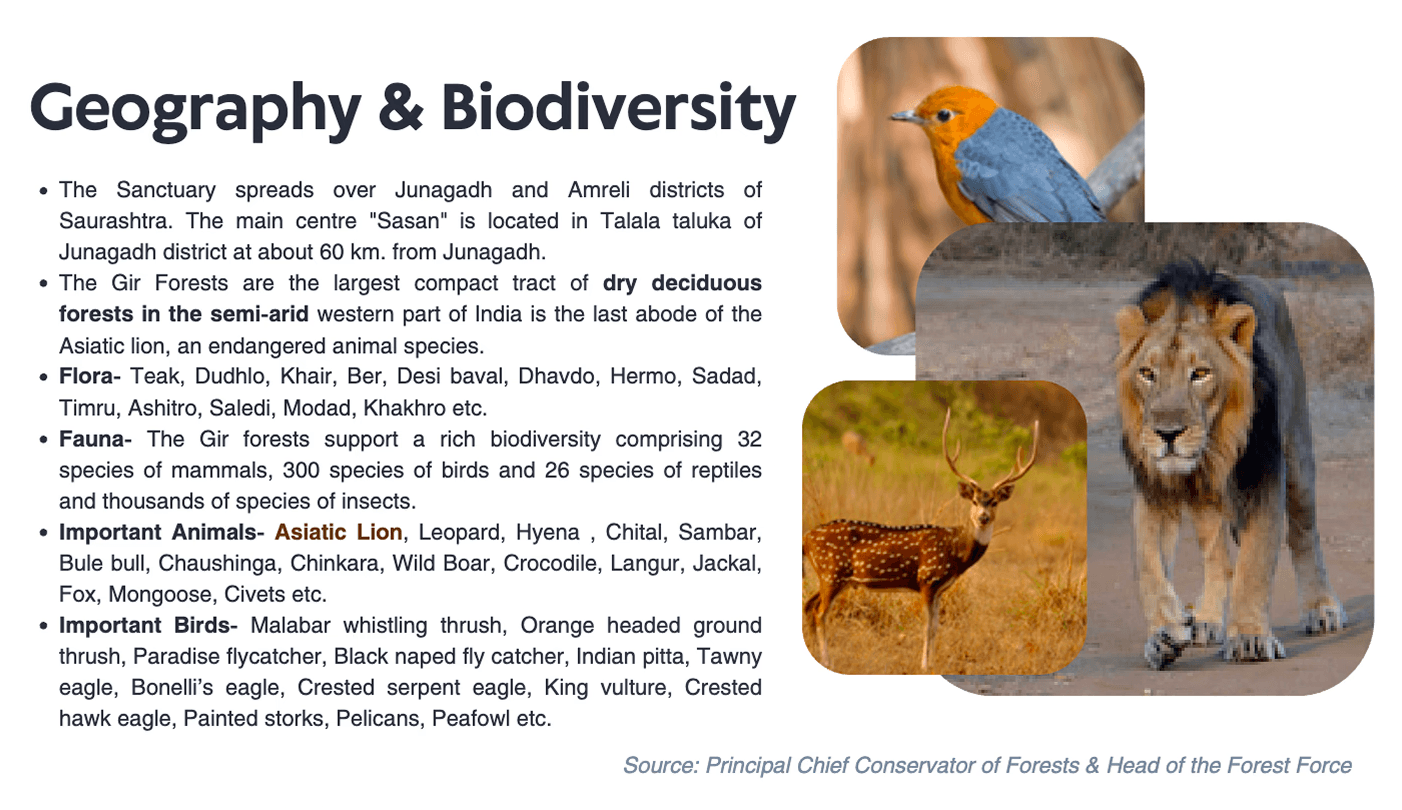
Geography & Biodiversity
Keywords & Goals
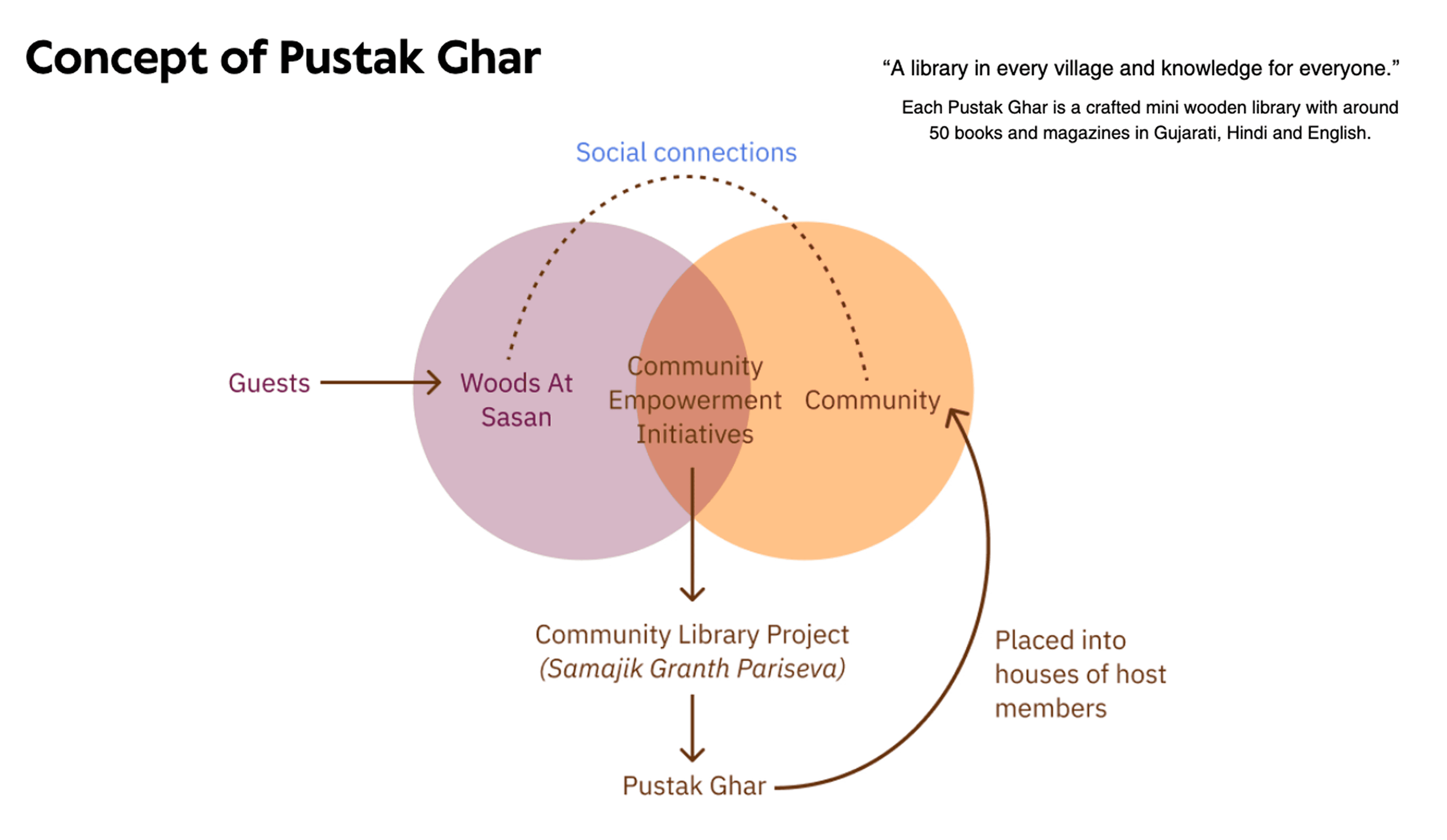
Concept of Pustakgarh
Research Question
Literature Review
Field Research
Phase 2: Define
Framework
Methodology
Possible Scenario
Gaps Identified
Phase 3: Develop
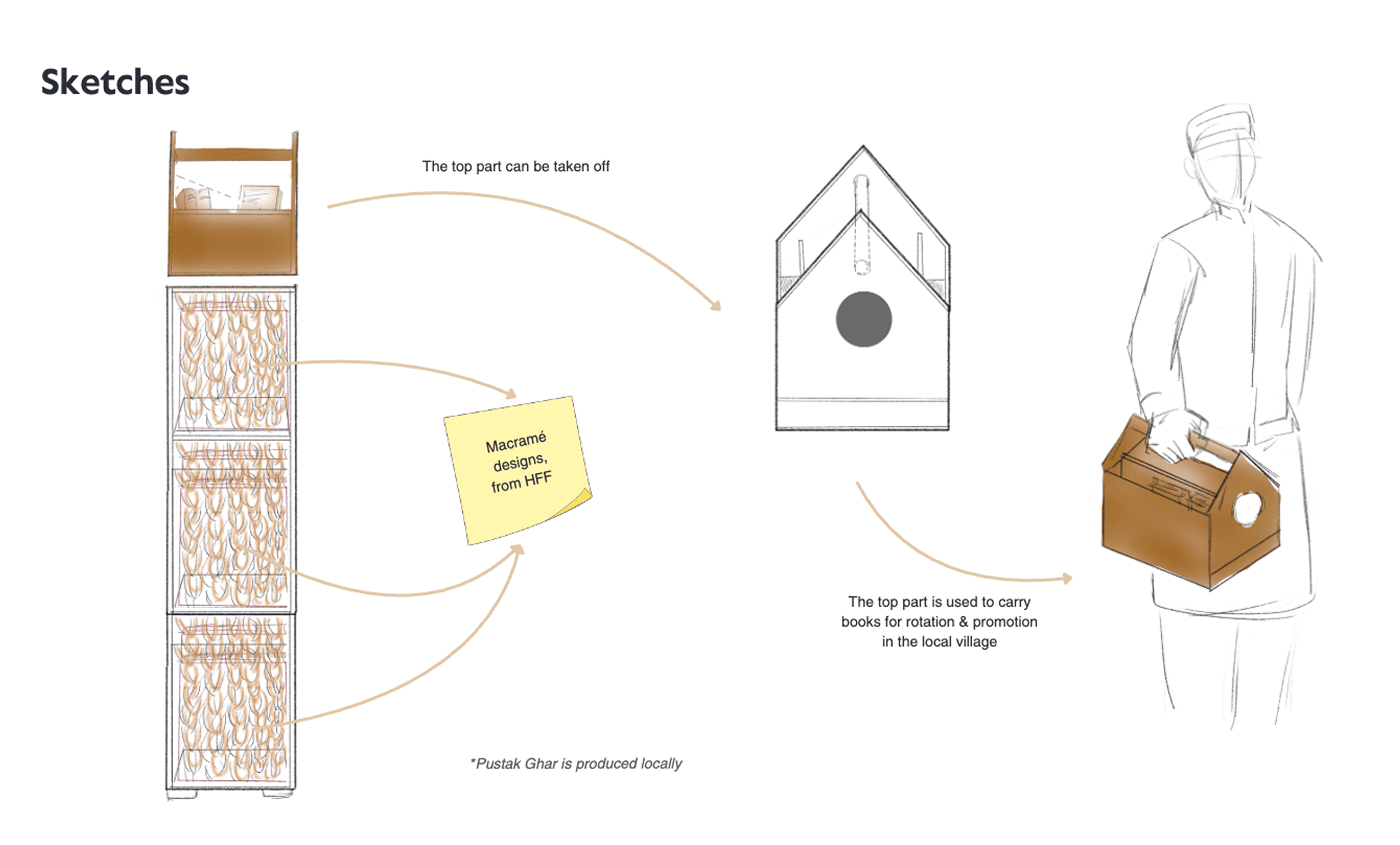
Sketch of Pustakgarh
User Journey Map
Stakeholder Map
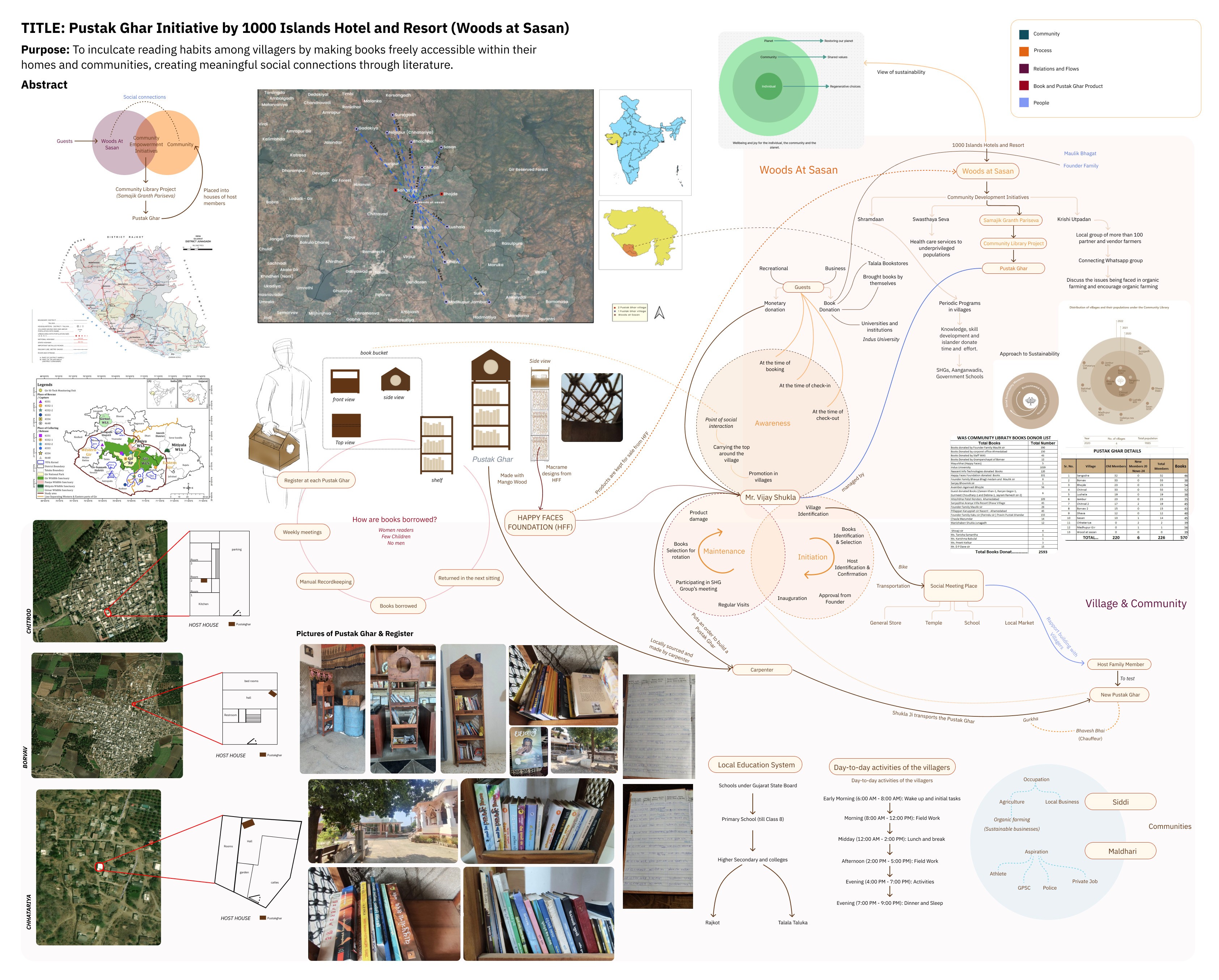
System Map
Process Map
Phase 4: Deliver
Strategies Proposed
Possible Solution Scenarios
Obligatory Passage Point (OPP)
Strategic Foresight
Giga Map
Data Collection Tools
Semi-structured Interviews
With community members, educators, and local leaders to understand reading habits and challenges
Observational Studies
Structured observations of existing reading spaces and how they are utilized
Literature Audit
Documentation of available reading materials, their condition, and accessibility
Co-design Workshops
Collaborative sessions with community stakeholders to develop solutions
Analysis Framework
We developed a multi-layered analysis framework to process the collected data:
Physical Infrastructure Analysis
Evaluating spaces, resources, and material conditions
Social Systems Mapping
Understanding relationships, power dynamics, and social factors
Cultural Context Assessment
Analyzing traditions, values, and cultural influences on reading
Sustainability Evaluation
Assessing long-term viability of proposed interventions
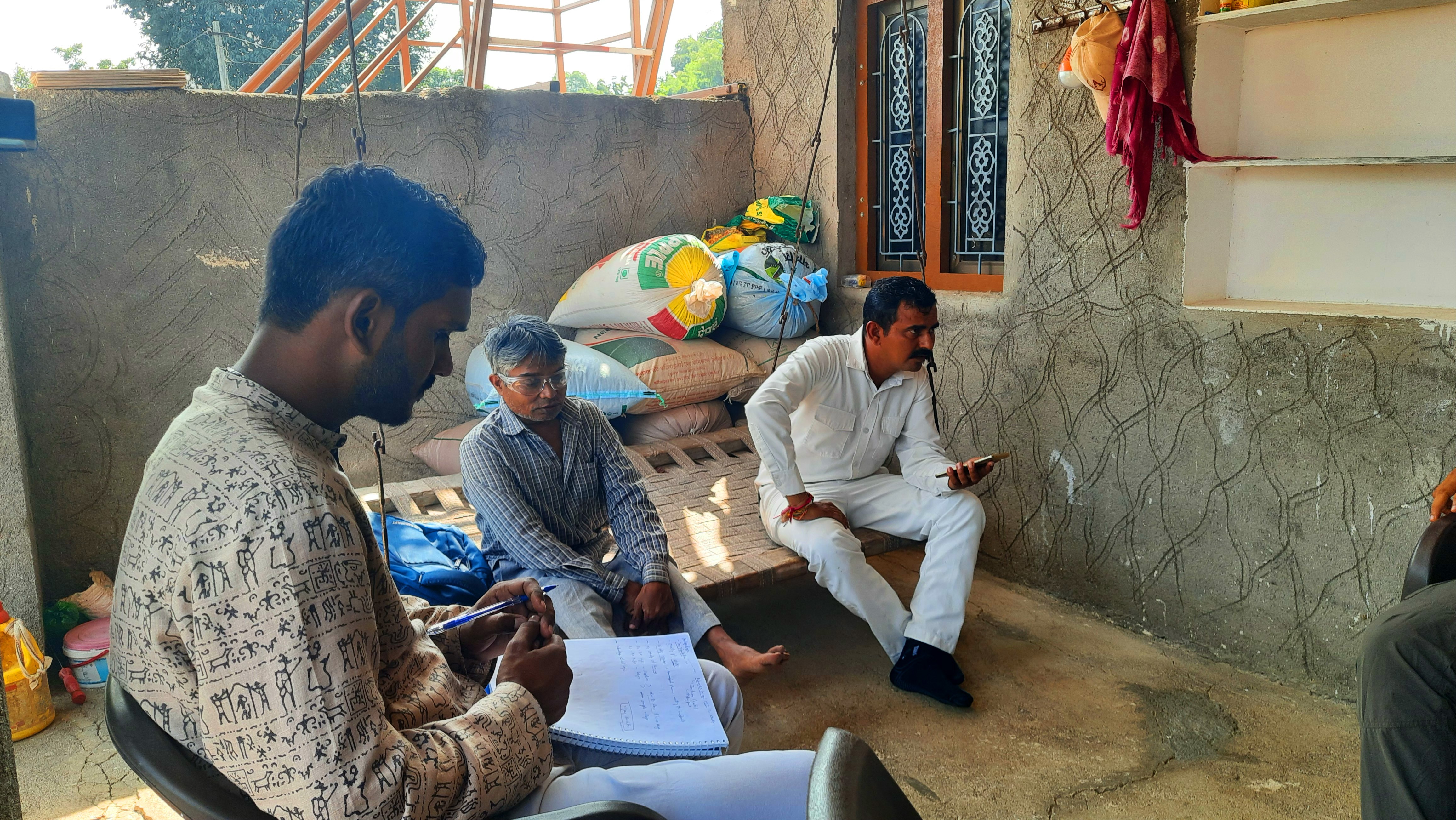
Field Research
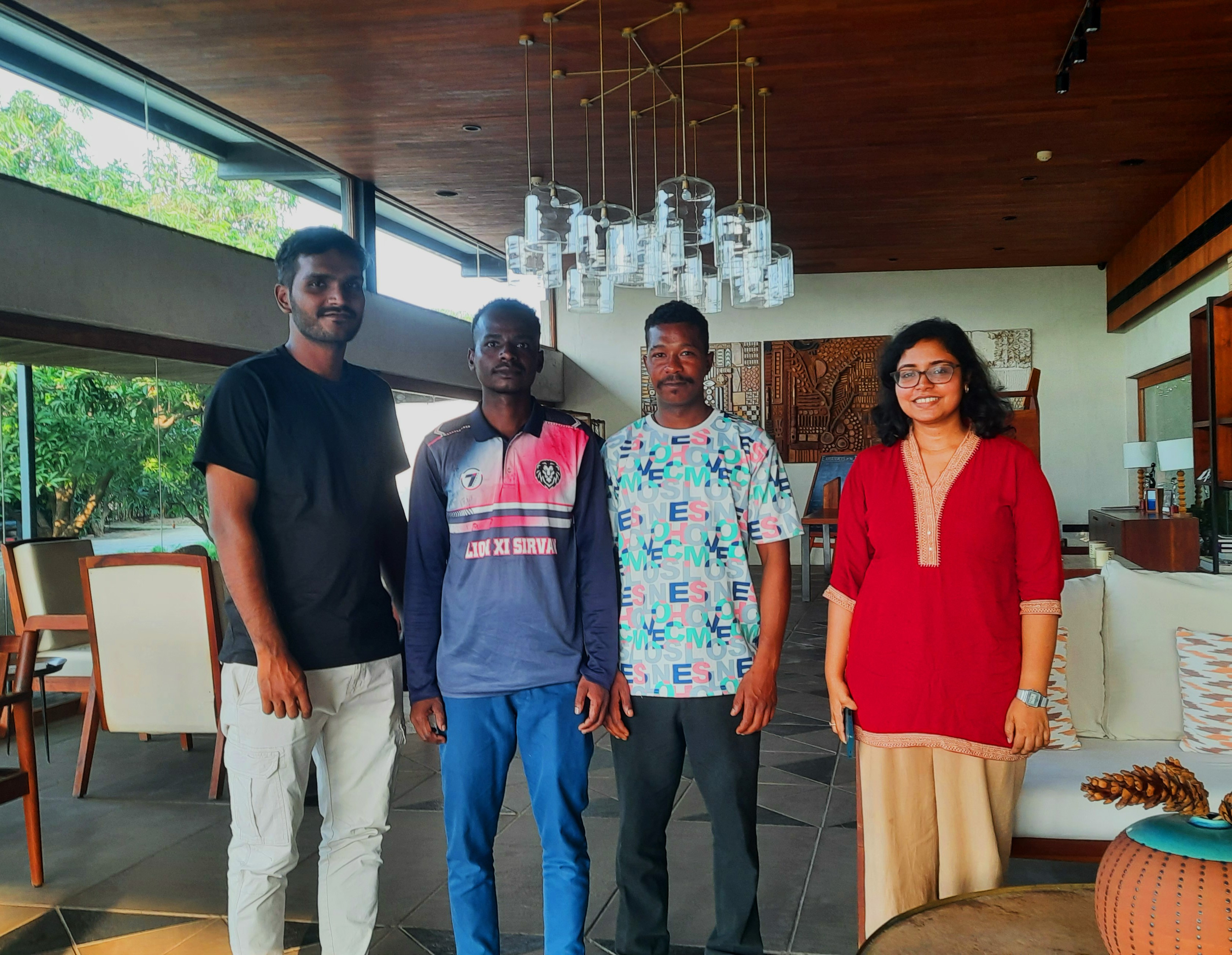
Extensive on-ground research to understand reading habits and challenges
Our research process involved immersive field studies across multiple communities to understand existing reading patterns, access to literature, and community attitudes toward reading. This included:
Community Observations
Observing how people interact with books and reading spaces in their natural environment
Literature Mapping
Documenting available reading materials and their accessibility within communities
Stakeholder Interviews
Engaging with community members, educators, and local leaders about reading culture
Experience Mapping
We developed detailed experience maps to understand the journey of different user groups when accessing and engaging with literature. This helped identify:
Pain points in accessing reading materials
Emotional responses to reading environments
Decision-making processes around reading choices
Social and cultural factors influencing reading habits
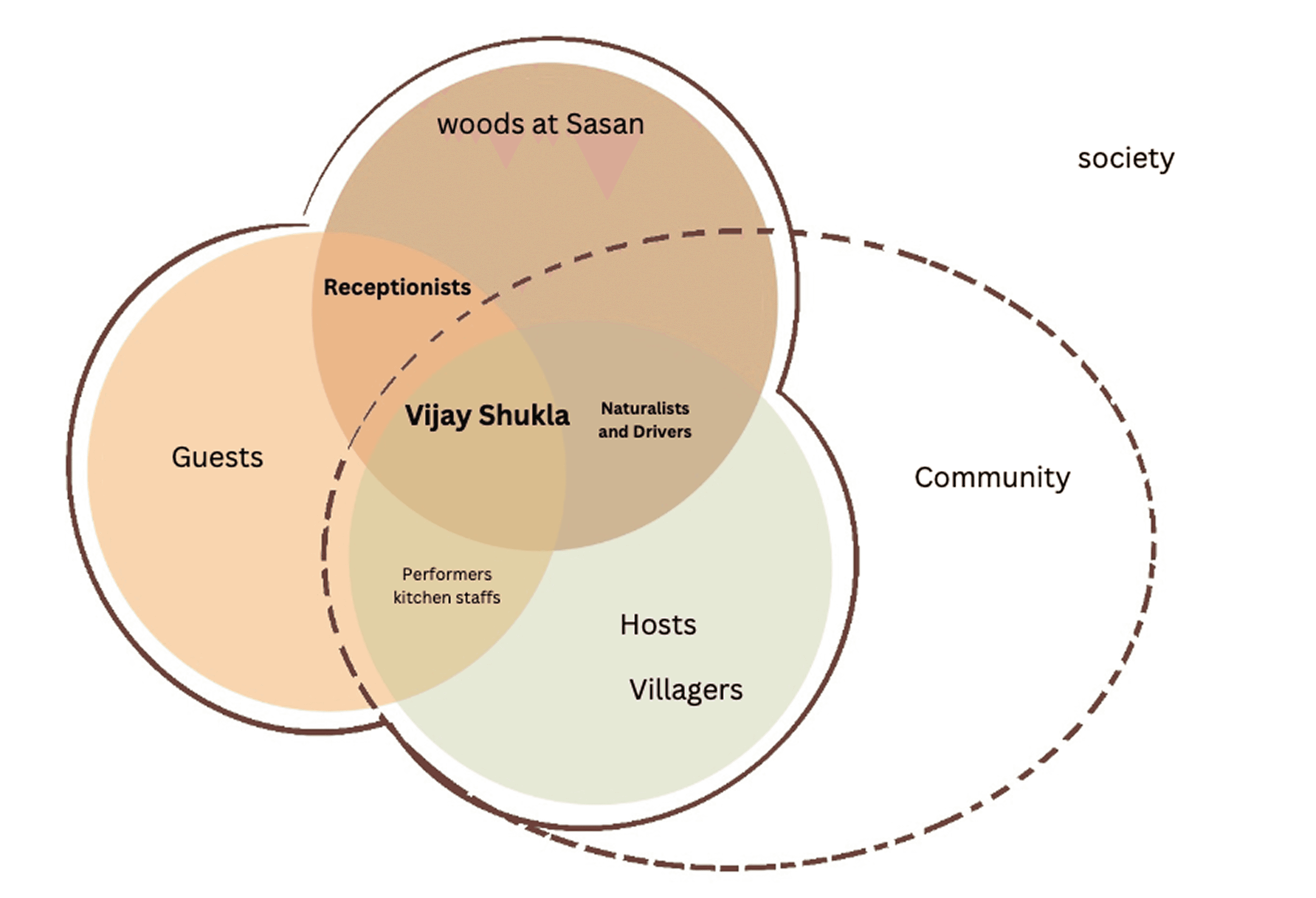
Stakeholder Mapping
Our stakeholder analysis identified key actors and their relationships within the reading ecosystem:
Primary Users
Students, readers, community members
Enablers
Educators, librarians, community leaders
Resource Providers
Publishers, donors, government agencies
Supporting Infrastructure
woods at sasan
Key Findings
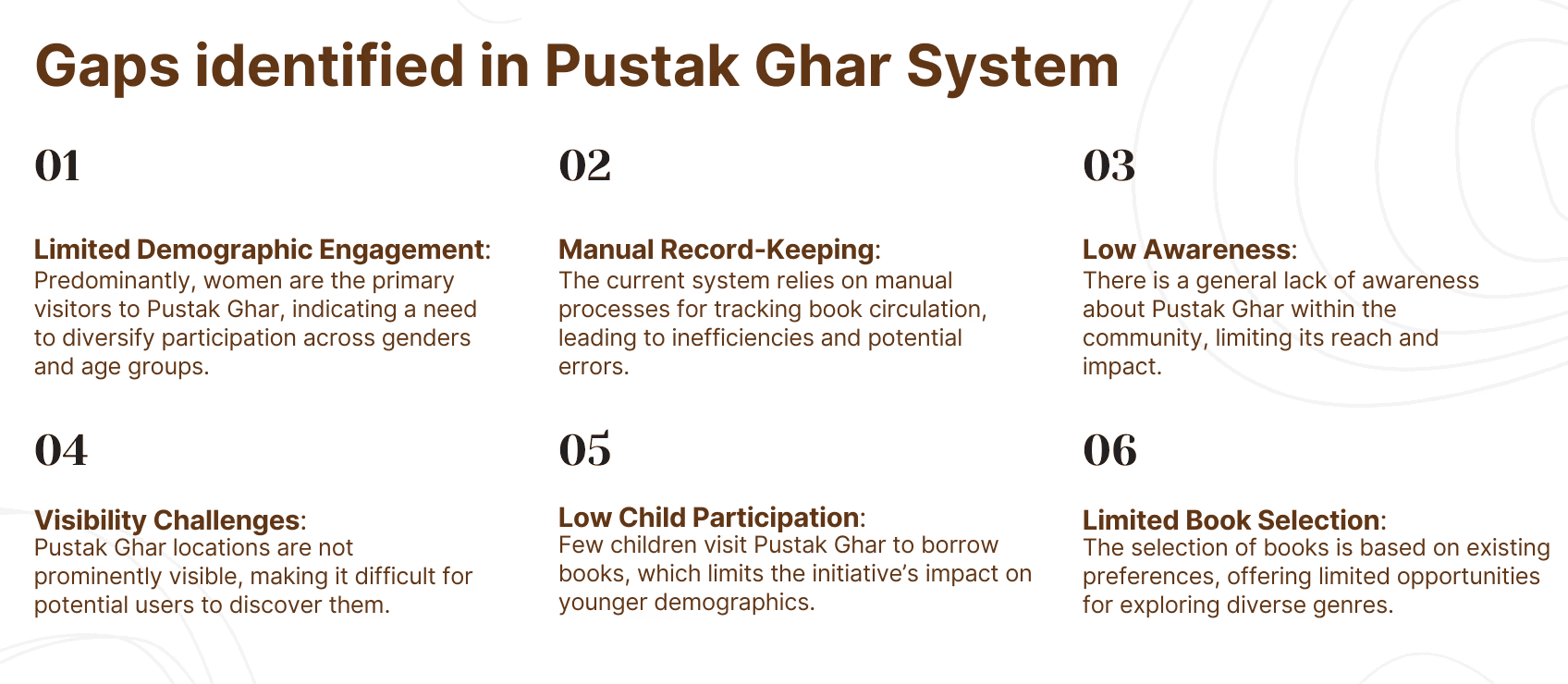
Gaps Identified in the Reading Ecosystem
Limited access to diverse and relevant reading materials in local languages
Inadequate physical spaces dedicated to reading and literature engagement
Disconnect between educational institutions and community reading practices
Lack of cultural programming to promote reading as a social activity
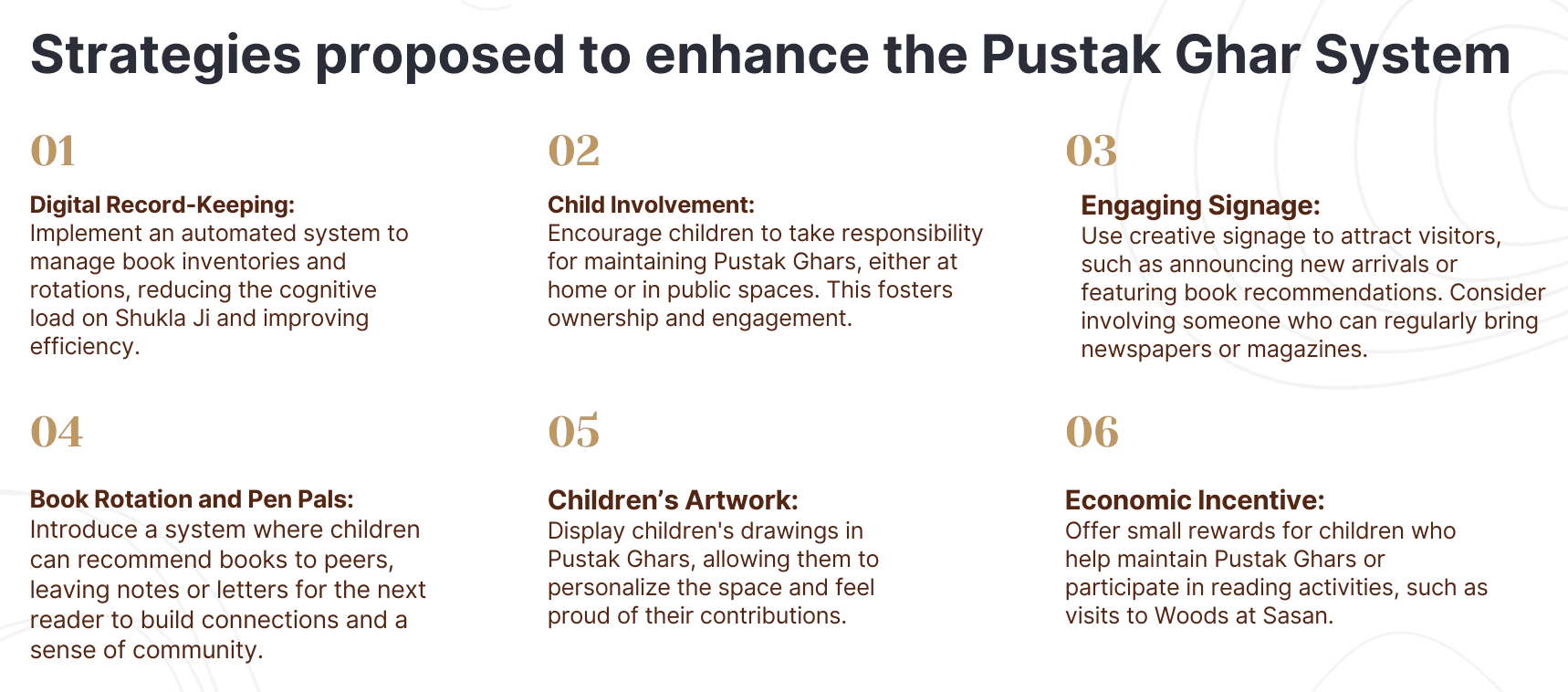
Opportunities for Intervention
Leveraging existing community spaces for multi-purpose reading hubs
Creating intergenerational knowledge sharing through reading circles
Establishing community-managed book exchange and donation system
Designing modular, adaptable reading furniture for various contexts
Cultural Context Insights
Our research revealed strong traditions of oral storytelling and community knowledge sharing that could be integrated into the PustakGhar framework. These cultural practices offer a foundation for building more formalized reading habits while honoring traditional ways of exchanging information and stories.
Demographics & Reading Behavior
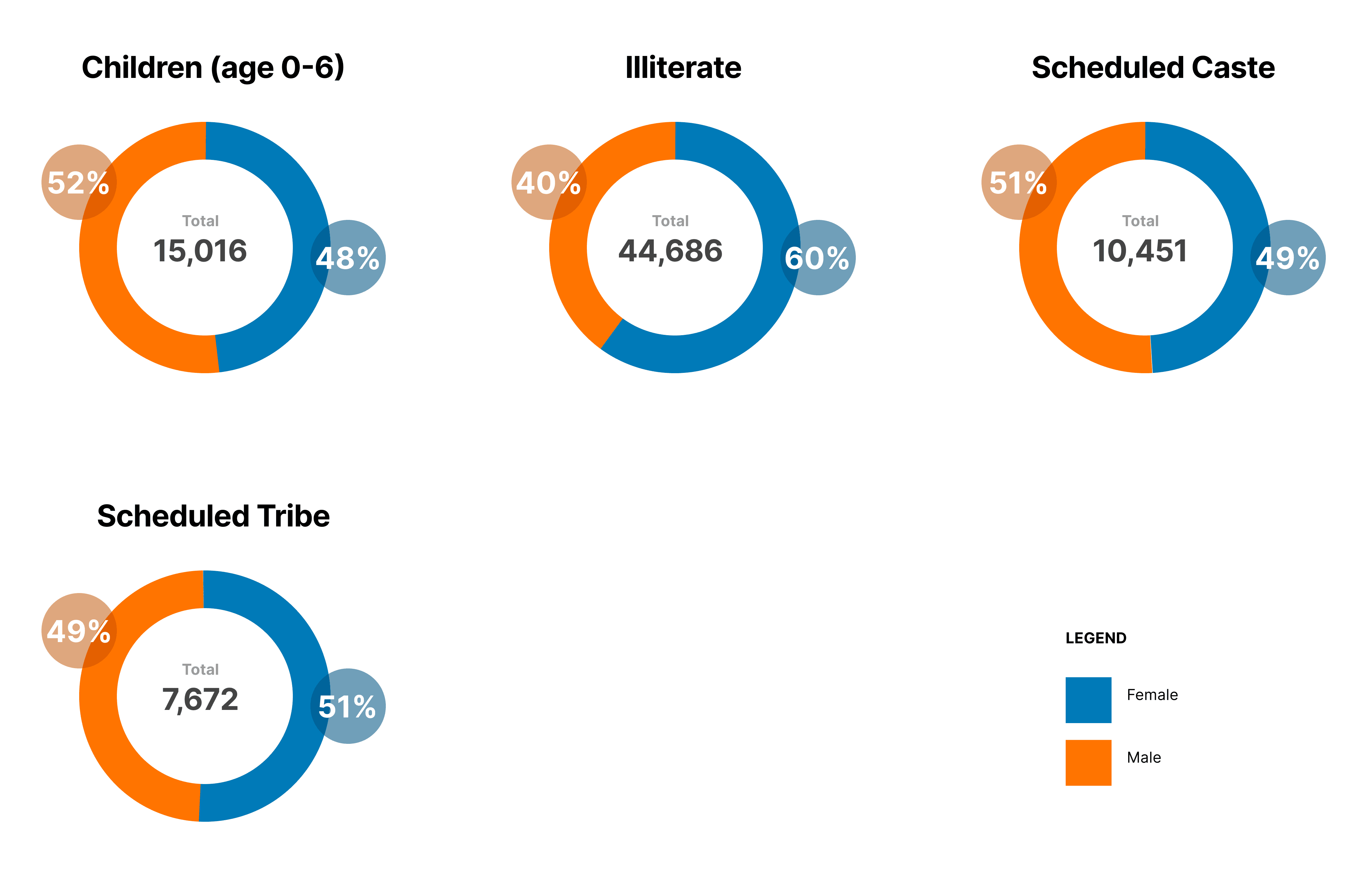
Key Demographic Insights:
School-age children (6-14) and older adults (60+) demonstrated highest engagement with reading
Young adults (18-25) showed lowest engagement, citing time constraints and competing priorities
Female readers expressed stronger interest in community reading spaces than male counterparts
Educational level correlated strongly with reading habits across all age groups
Resource Assessment
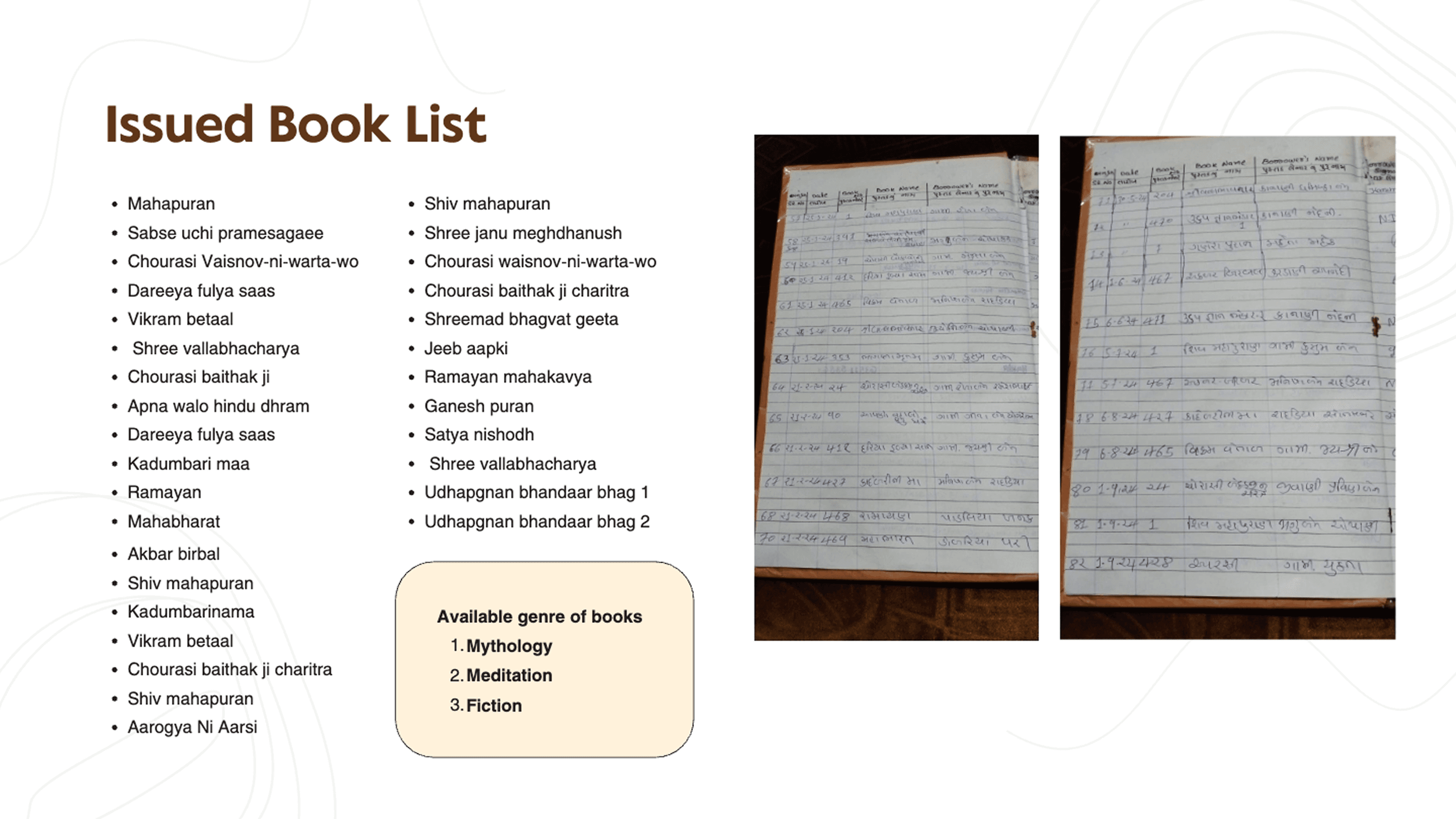
Available Literature
Limited diversity in available reading materials, with textbooks comprising 65% of accessible literature
Physical Space
Schools and community centers offer potential spaces, but lack appropriate furniture and organization
Human Resources
Teachers and community volunteers show high willingness to support reading initiatives
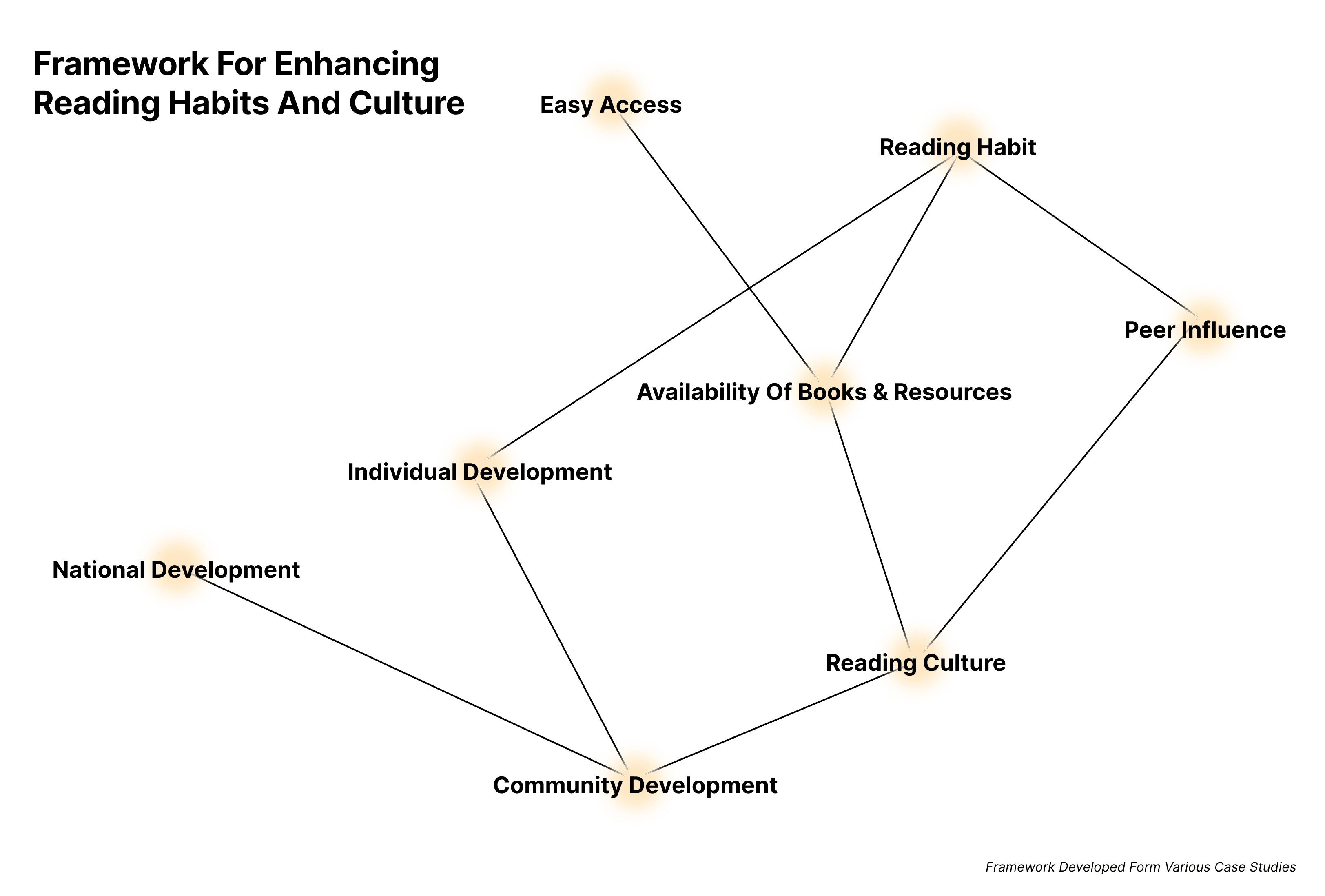
Pustak Ghar Framework
01
Physical Design
Modular, adaptable spaces and furniture designed for diverse reading activities and community contexts
02
Resource Management
Systems for literature acquisition, organisation, maintenance, and circulation within the community
03
Community Engagement
Programming and activities to foster community ownership and sustained participation
04
Sustainability Plan
Governance structure, resource generation, and long-term maintenance strategies
Implementation Strategies
Short-term Strategies (0-6 months)
Identify and adapt existing community spaces for initial reading activities
Establish core collection of diverse reading materials through donations and partnerships
Train community volunteers in basic library management and reading facilitation
Launch reading circles and storytelling sessions to generate interest
Medium-term Strategies (6-18 months)
Develop modular furniture prototypes using local manufacturing techniques
Implement resource management system with cataloging and circulation processes
Expand programming to include workshops, author visits, and themed reading events
Establish governance committee representing diverse community stakeholders
Long-term Strategies (18+ months)
Develop network of Pustak Ghar implementations to share resources and knowledge
Create sustainable funding mechanisms through community contributions and partnerships
Integrate digital resources to complement physical collections
Document and share implementation model for replication in other communities
Design Interventions
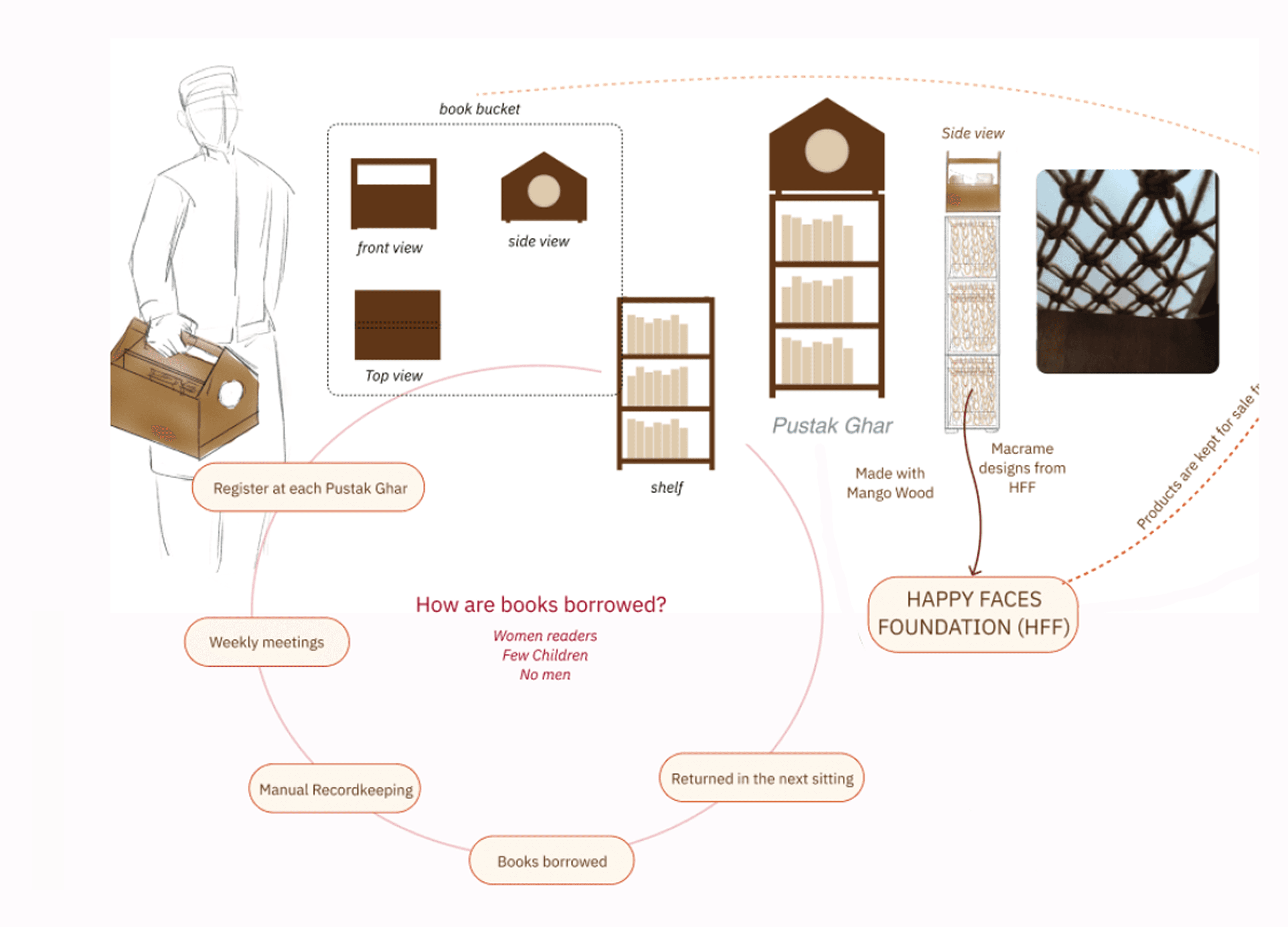
Modular Reading Furniture
Versatile furniture solutions that can be manufactured using local materials and techniques, designed for various reading activities and space constraints.
Resource Organization System
Visual cataloging and organization system that works across literacy levels, combining color-coding, imagery, and simple categorization.
Community Reading Programs
Structured activities designed to cultivate reading habits and create social experiences around literature, adaptable for different age groups and interests.
Intergenerational Reading Circles
Connecting older adults and children through shared reading
Theme-based Reading Festivals
Seasonal events celebrating literature and storytelling
Project Documentation