Project Details
Approach
Design Research, Educational Innovation
Focus Areas
STEAM Education, Pedagogical Design, Learning Experience
Research Methods
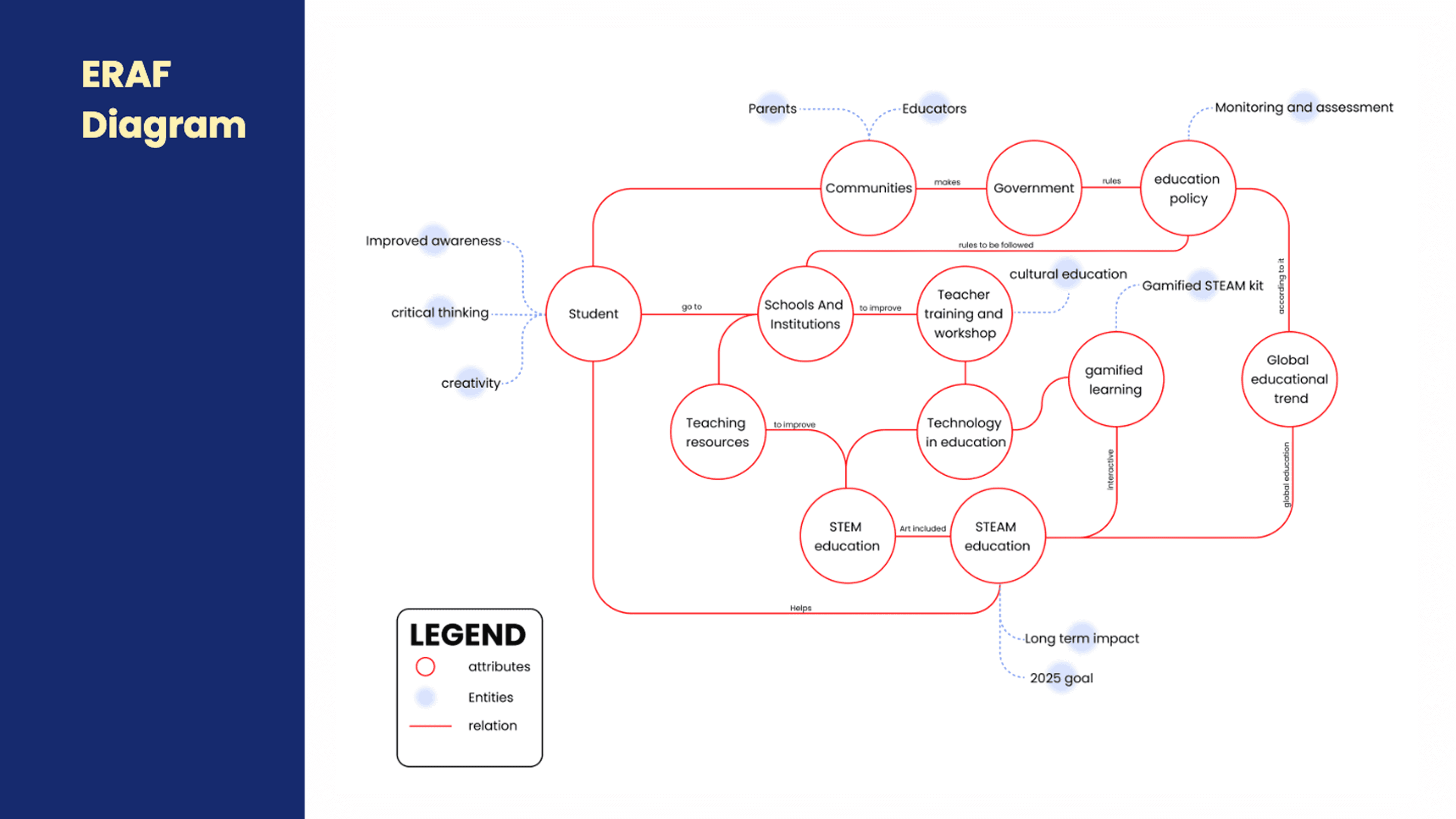
Reverse Brainstorming, Stakeholder Mapping, Problem Identification
Deliverables
Framework, Physical Prototypes, Implementation Strategy
Project Impact
The STEAM Pedagogical Aids framework provides innovative approaches to educational design that can be implemented across different learning environments to enhance engagement, comprehension, and retention in STEAM subjects.
Project Overview
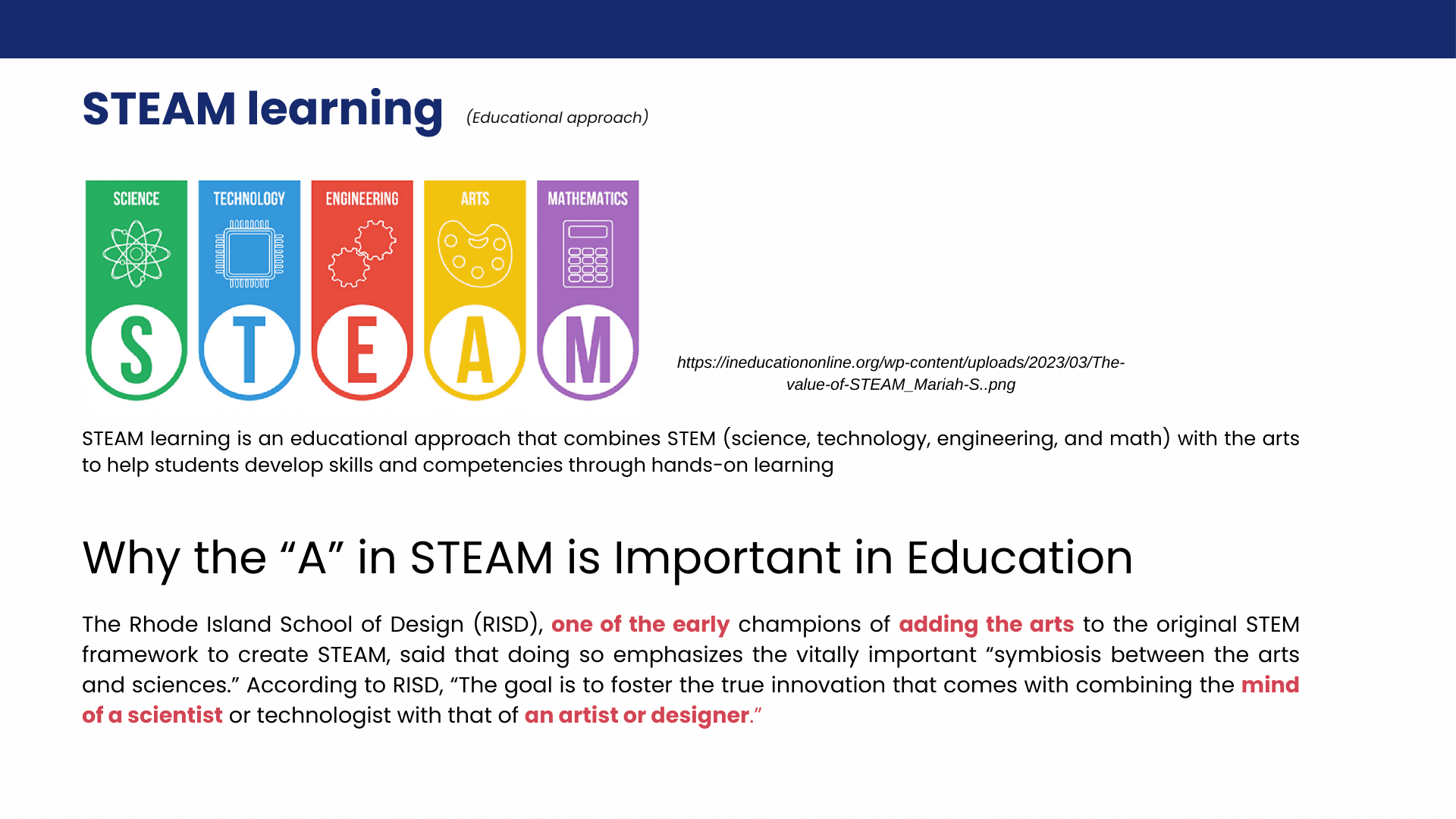
The STEAM Pedagogical Aids project is a comprehensive design research initiative aimed at addressing the challenges in STEAM (Science, Technology, Engineering, Arts, and Mathematics) education. Through extensive field research, stakeholder mapping, and design thinking processes, this project develops innovative frameworks and physical tools to enhance educational experiences.
This project explores the intersection of design, pedagogy, and learning experiences, identifying opportunities to create more engaging and effective educational environments through both methodological frameworks and tangible learning aids.
Project Goals
Identify key challenges and gaps in current STEAM educational approaches
Develop a comprehensive framework for reverse brainstorming in educational design
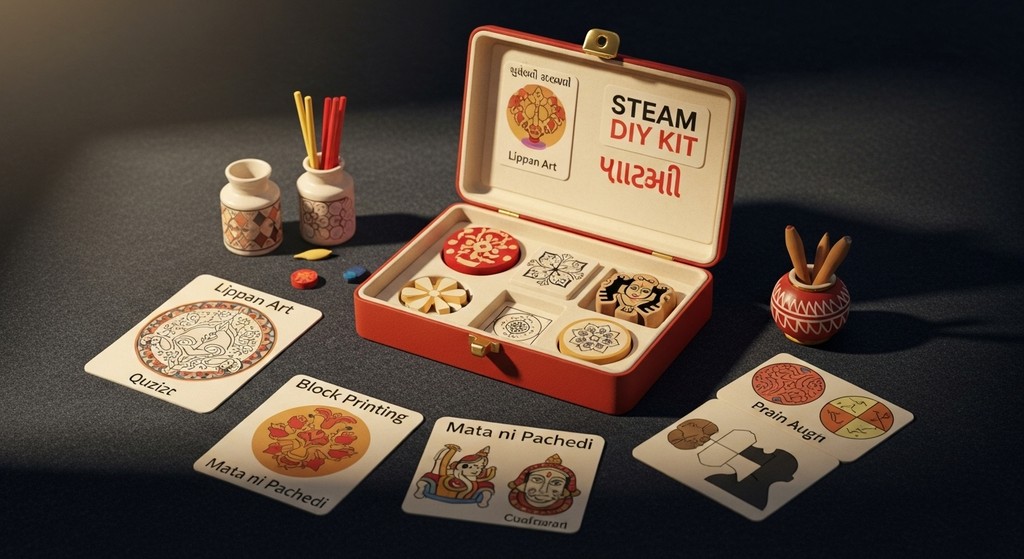
Create tangible pedagogical aids that enhance learning experiences
Establish measurement matrices to evaluate educational impact
Design inclusive learning tools that accommodate diverse learning styles
Problem Identification Scope
Comprehensive analysis of challenges in STEAM education
The project began with an extensive problem identification phase to understand the challenges and opportunities in STEAM education:
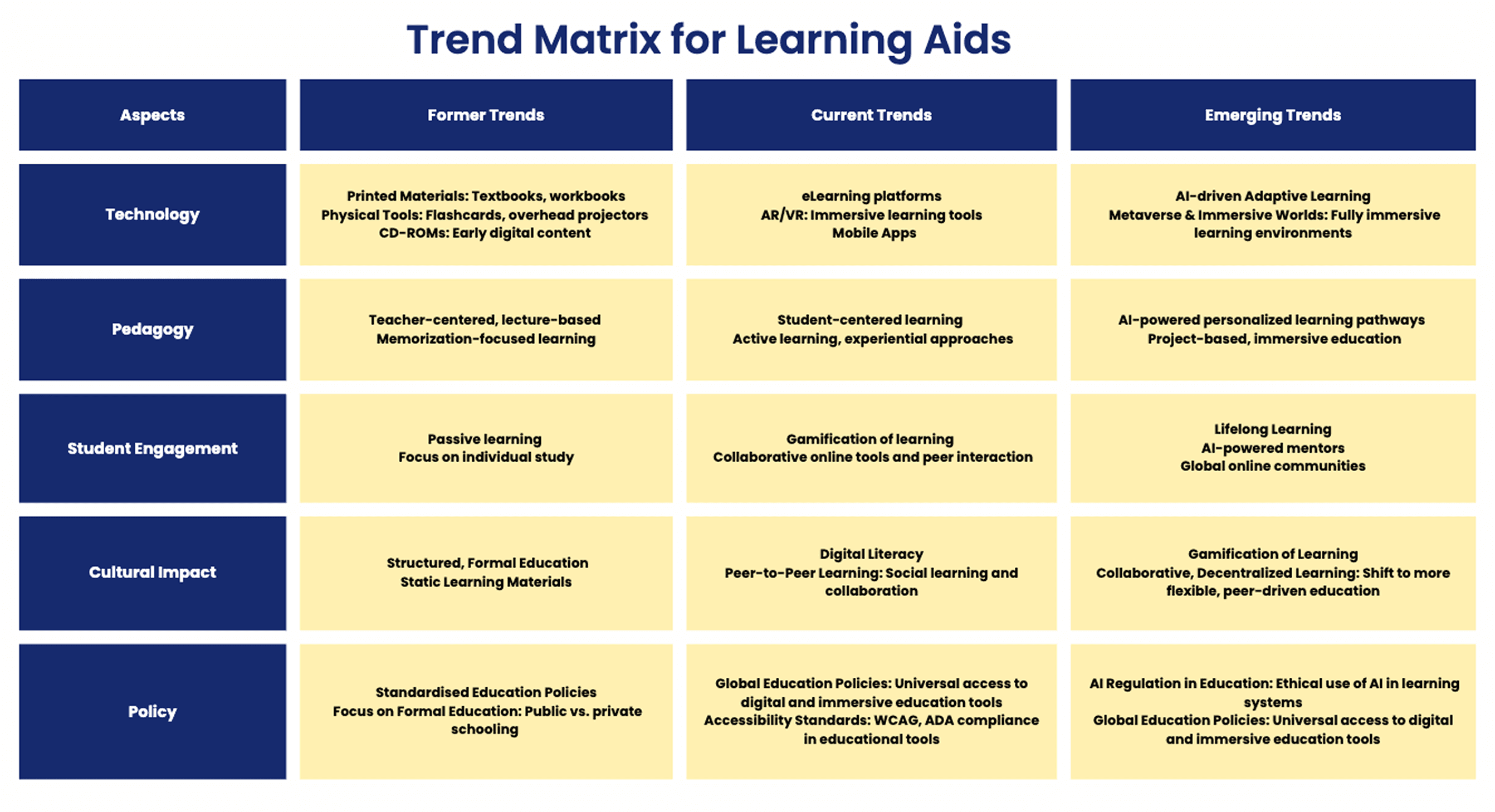
Key Problem Areas Identified
Pedagogical Challenges
Traditional teaching methods not engaging diverse learning styles
Lack of hands-on experiential learning opportunities
Difficulty in integrating arts with technical subjects
Limited resources for innovative teaching approaches
Learning Experience Gaps
Disconnect between theoretical knowledge and practical application
Insufficient tools for visualisation of complex concepts
Limited mechanisms for collaborative learning
Inadequate assessment methods for measuring comprehension
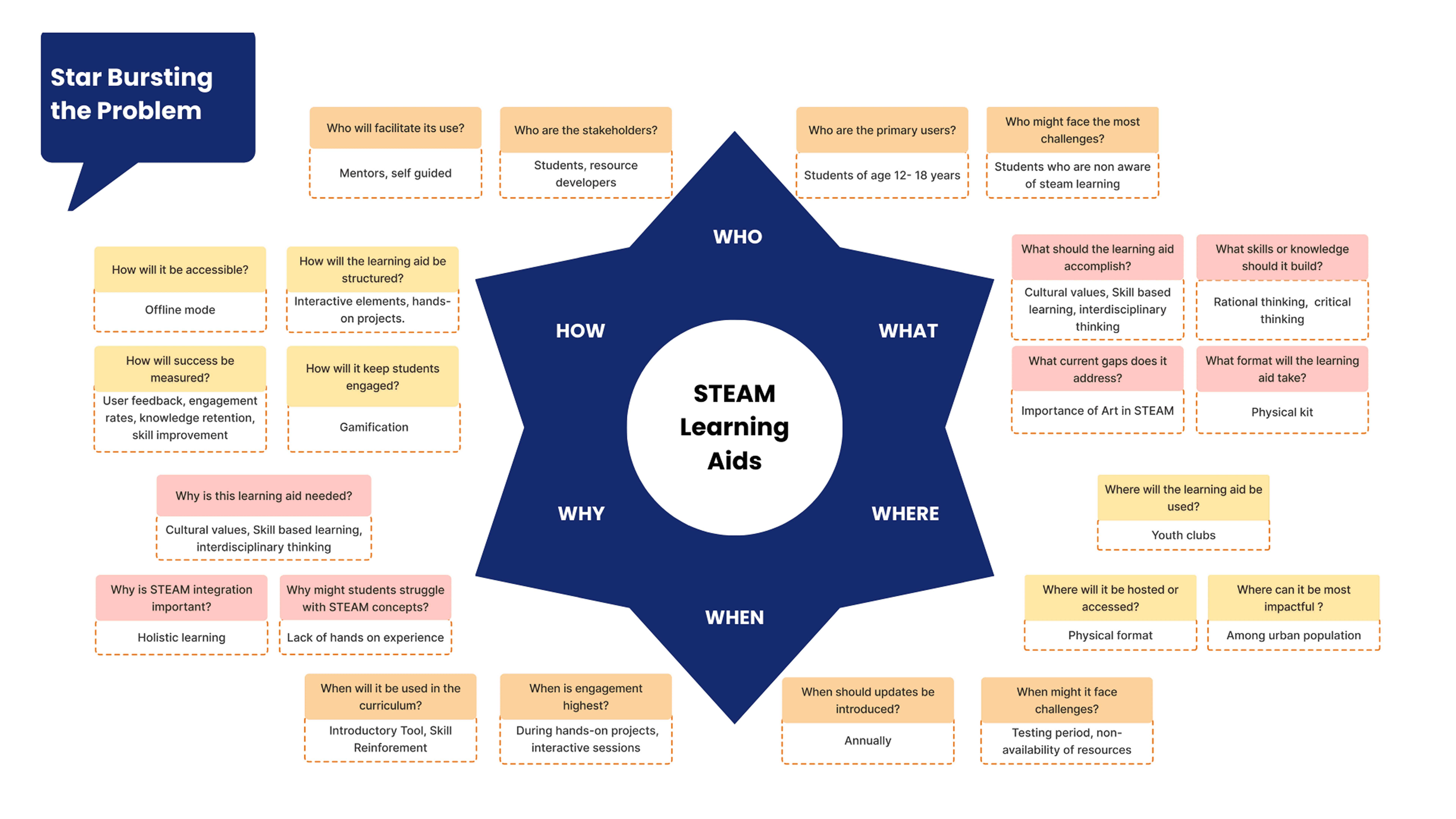
Reverse Brainstorming Methodology
A key innovation in our approach was the application of "Reverse Brainstorming" methodology to educational design challenges. This approach inverts traditional problem-solving by asking:
"How might we make STEAM education more challenging, confusing, and disengaging?"
By identifying ways to worsen the current situation, we gain powerful insights into the root causes of educational challenges and opportunities for meaningful intervention.
Step 1: Reverse the Problem
Identify how to make STEAM education worse instead of better
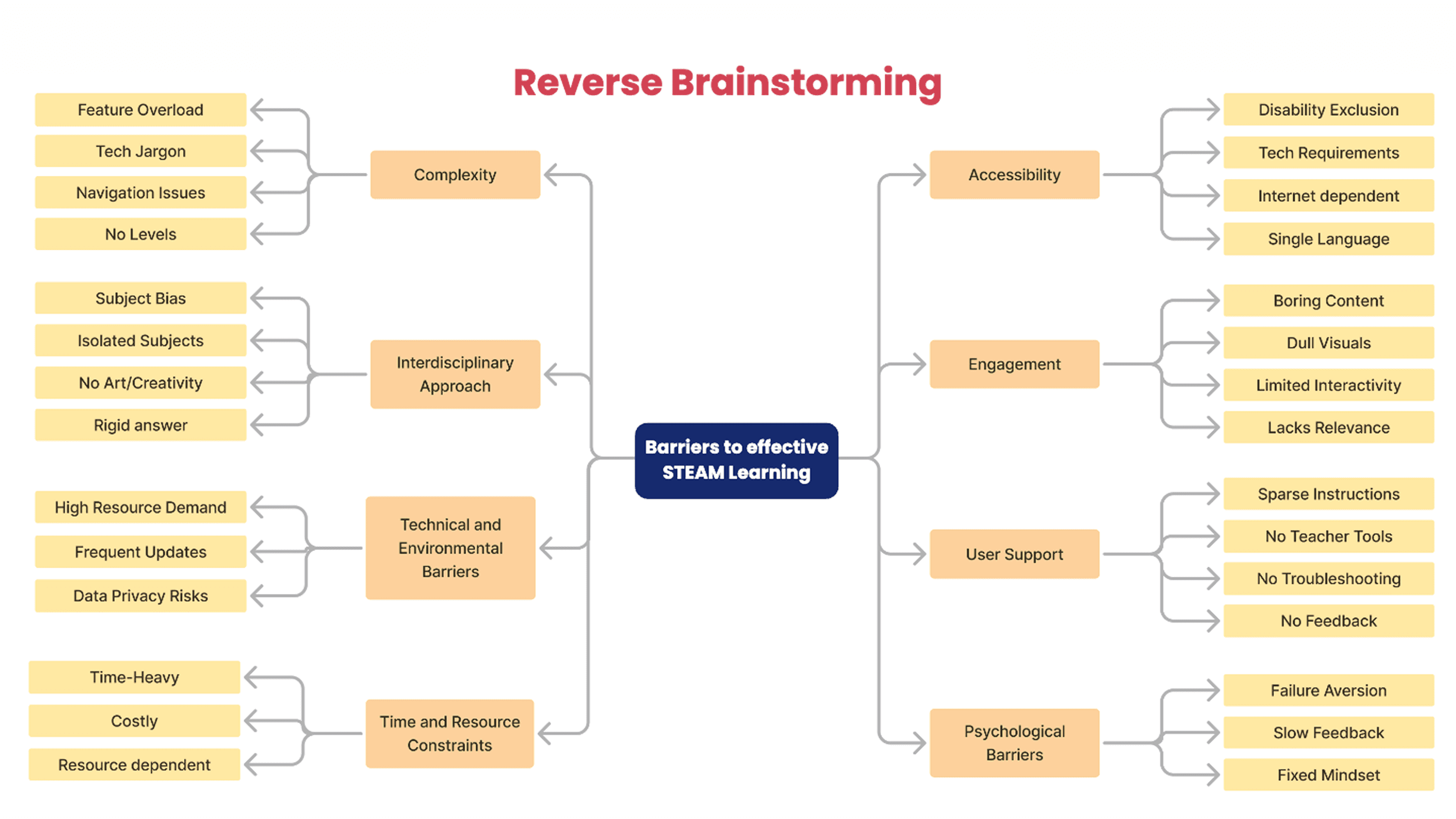
Step 2: Brainstorm Solutions
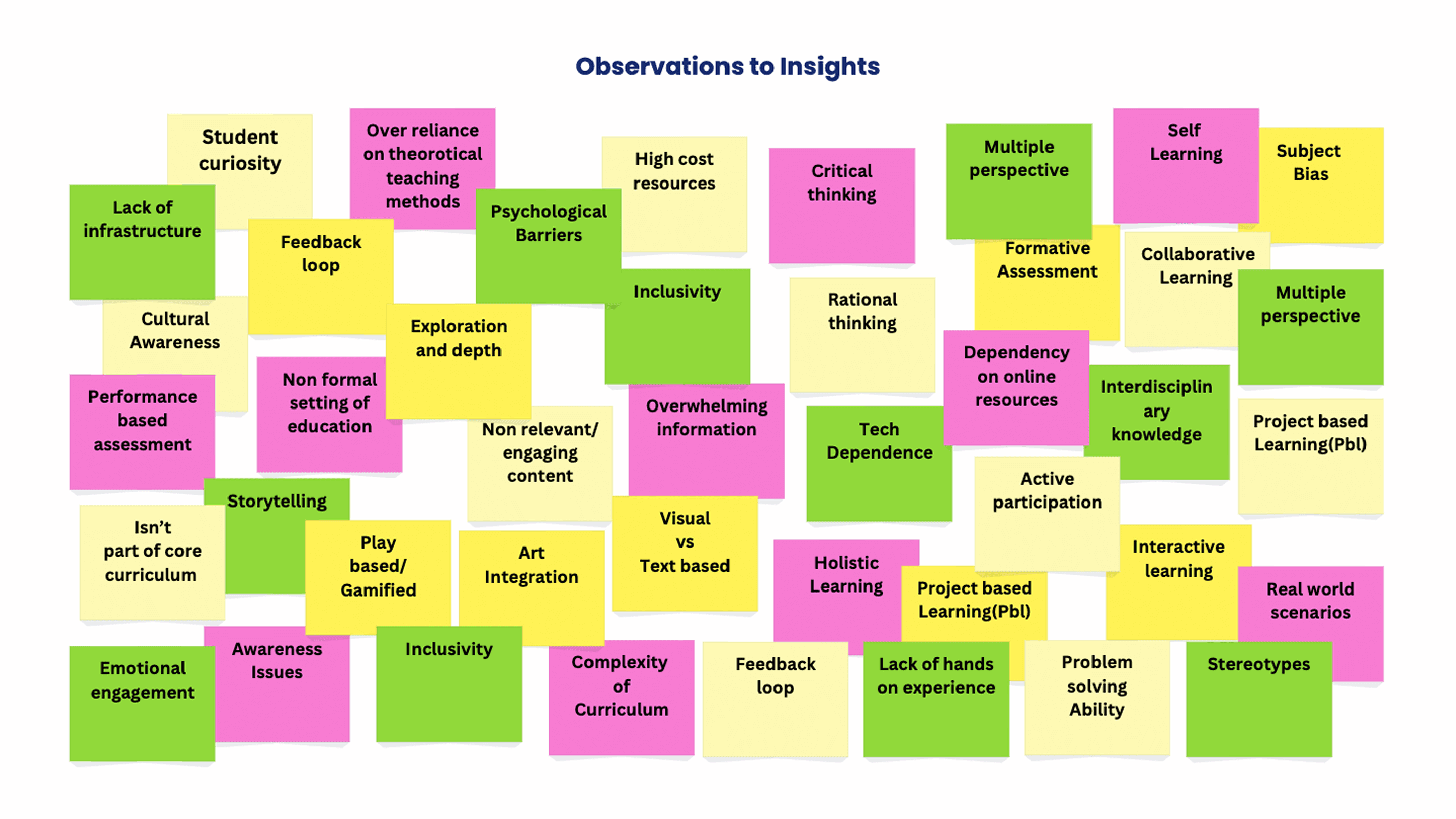
Step 3: Reverse the Solutions
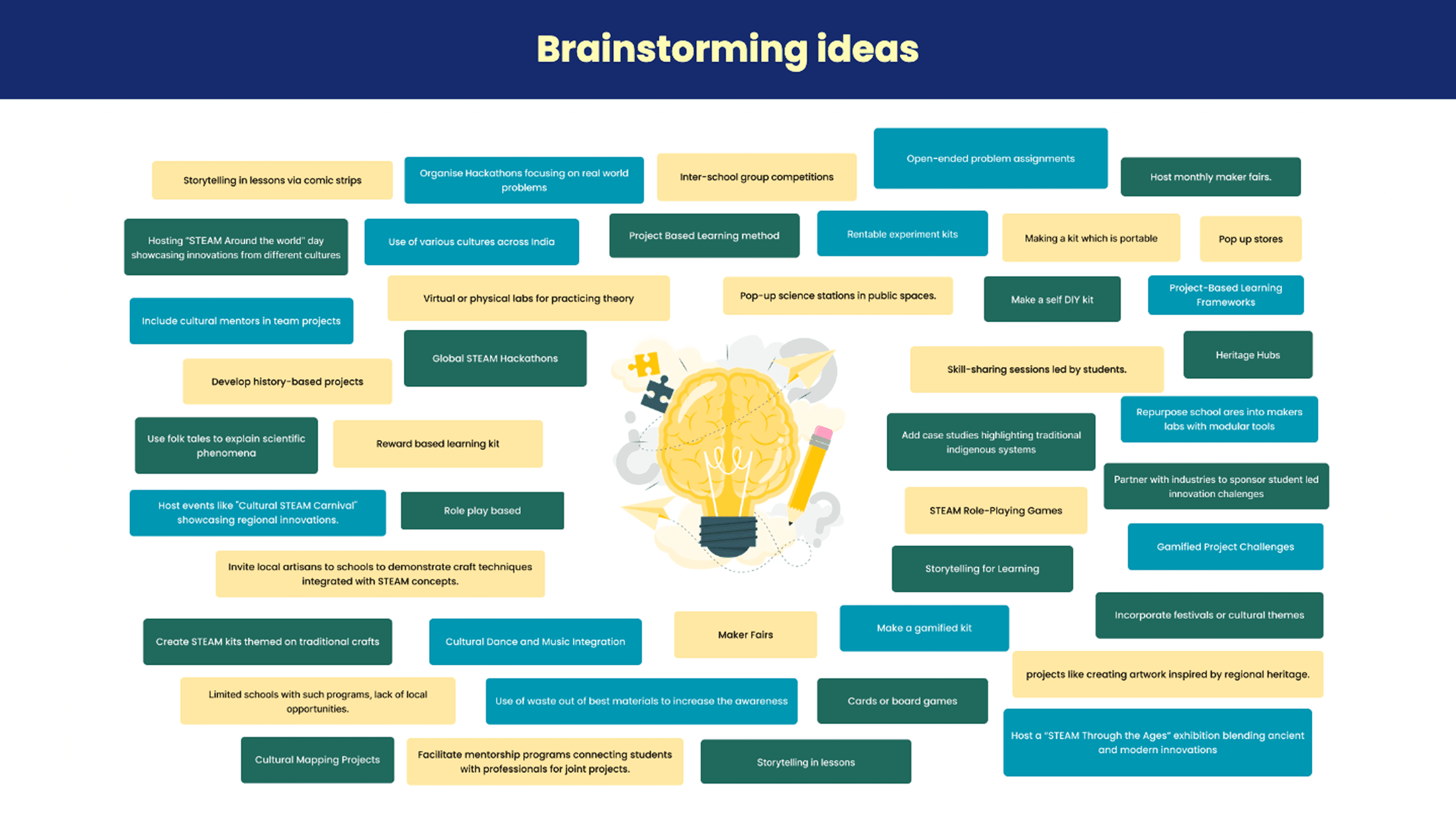
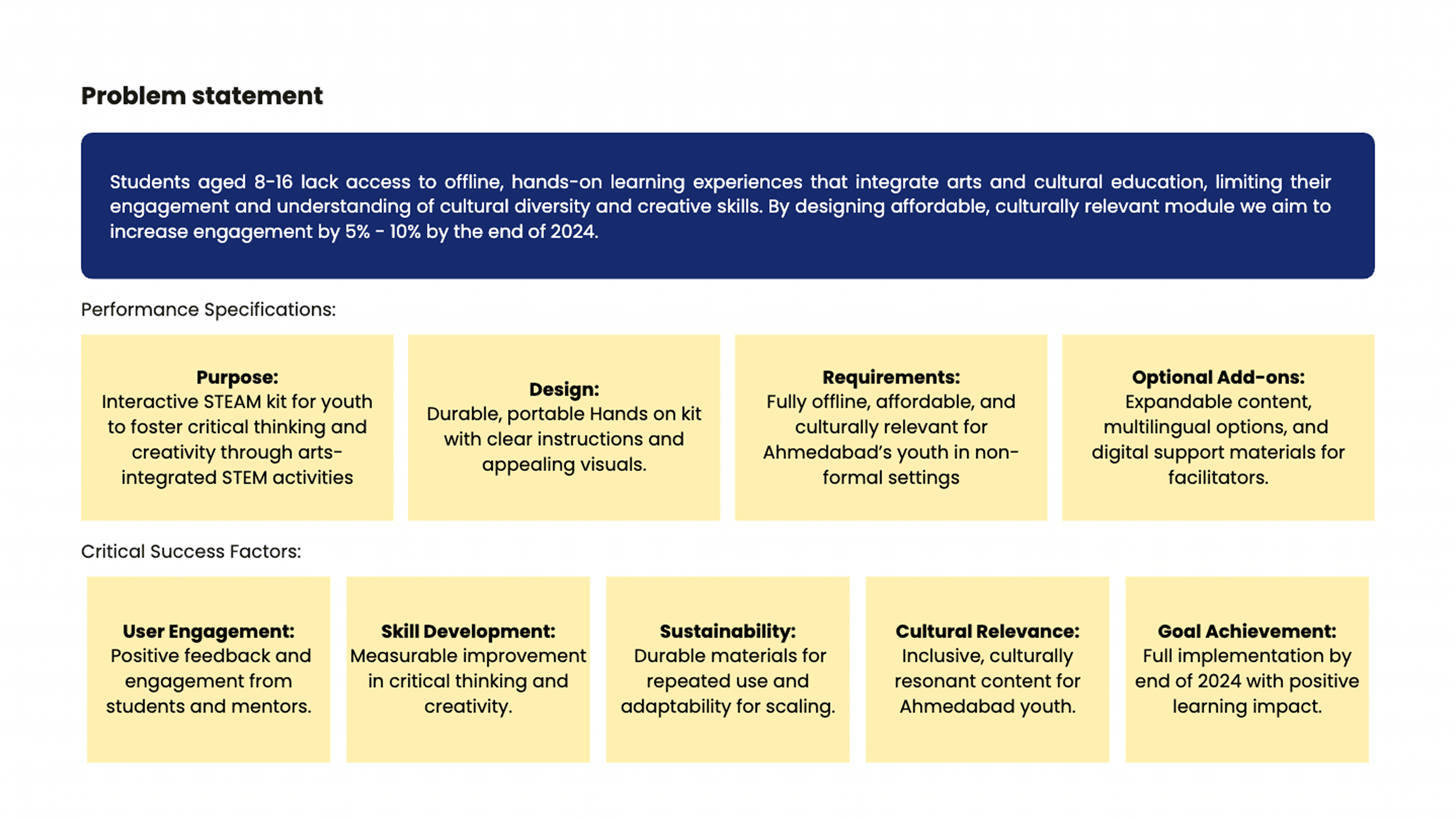
STEAM Pedagogical Aids Framework
By identifying ways to worsen the current situation, we gain powerful insights into the root causes of educational challenges and opportunities for meaningful intervention.
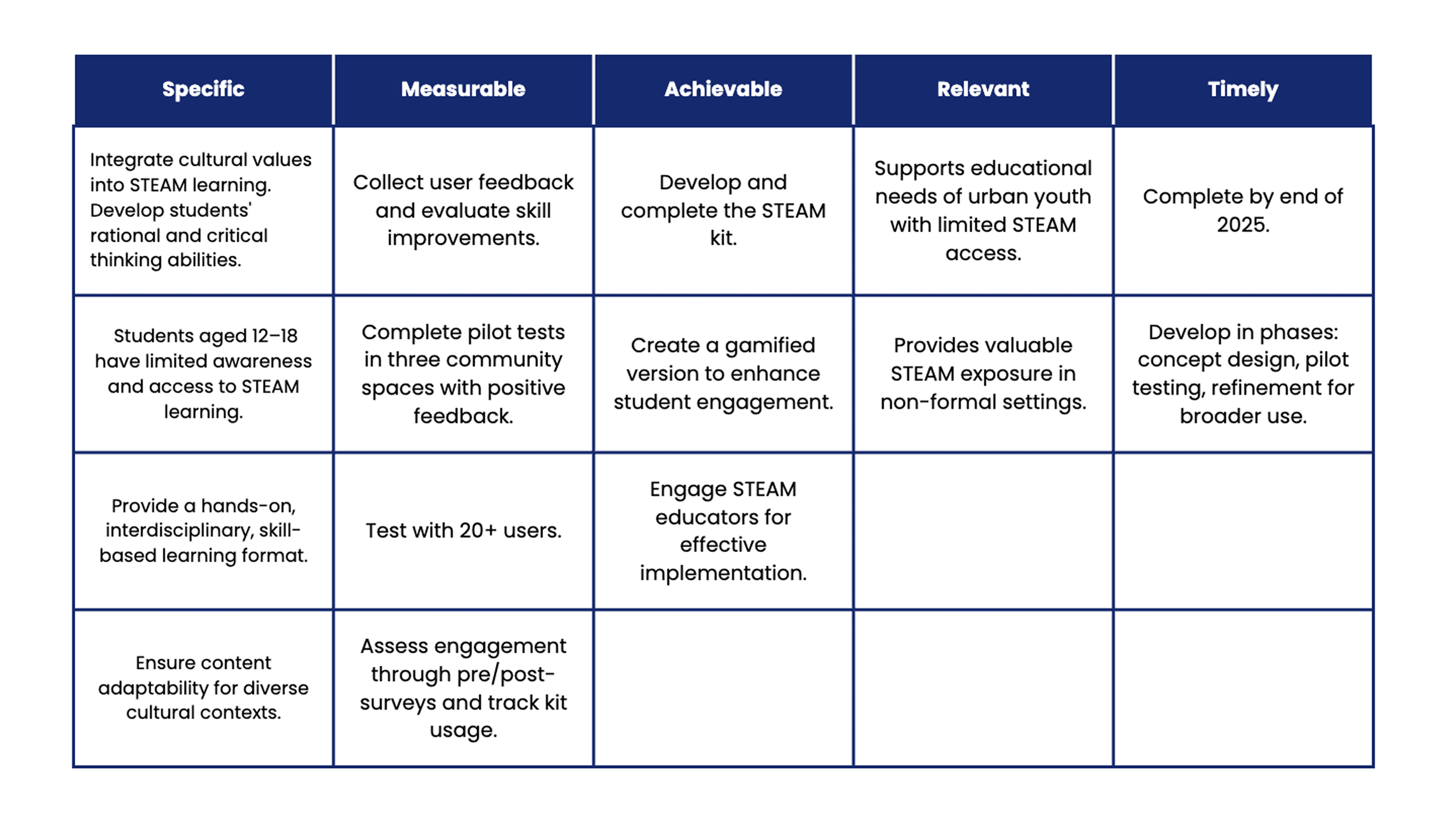
01
Specific
Targeted learning objectives and outcomes clearly defined for each educational intervention
02
Measurable
03
Achievable
Realistic approaches that can be implemented within educational constraints
04
Relevant
Solution Stage
The solution stage focused on developing tangible educational tools and conceptual frameworks to address identified challenges.
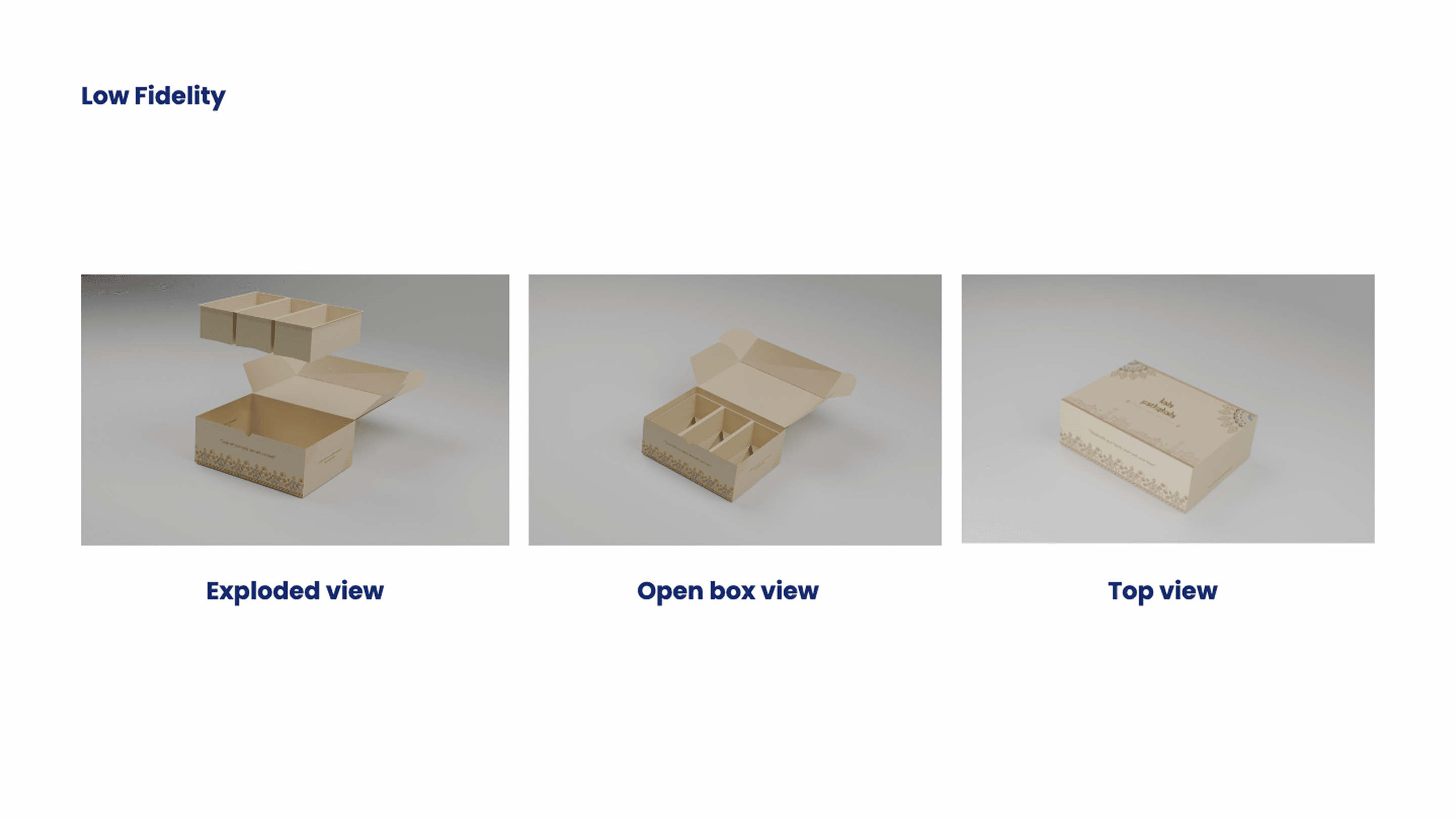
Design Approach
Our solution development process integrated design thinking with educational theory to create innovative pedagogical aids that enhance STEAM learning experiences.
Ideation / Concept Interpretation
Generating innovative educational tool concepts based on research insights
Contextual Adaptation
Tailoring concepts to specific educational environments and learner needs
Prototype Development
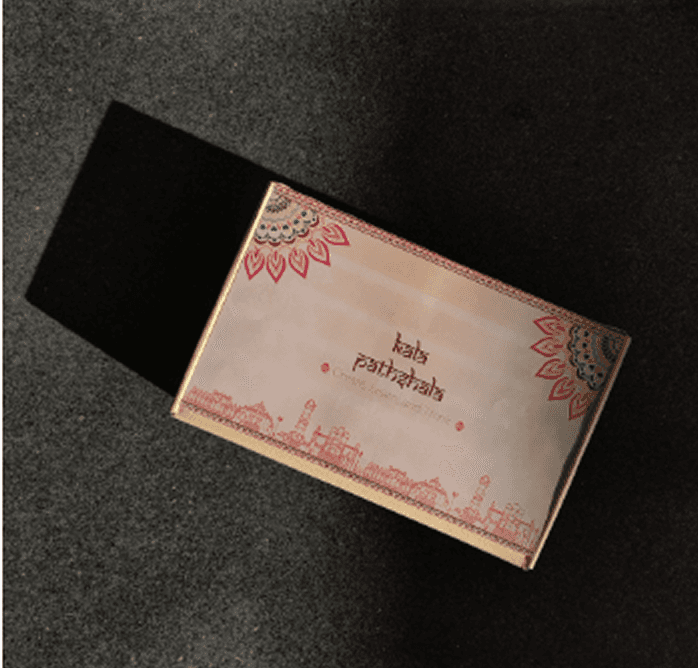
Creating physical prototypes of educational tools and aids
Assessment & Refinement
Testing and iterating solutions based on feedback and performance metrics
Key Solution Components
Physical Learning Aids
Tangible tools designed to facilitate hands-on exploration of STEAM concepts
Visualization Tools
Integration Frameworks
Assessment Tools
Physical Matrix Structure
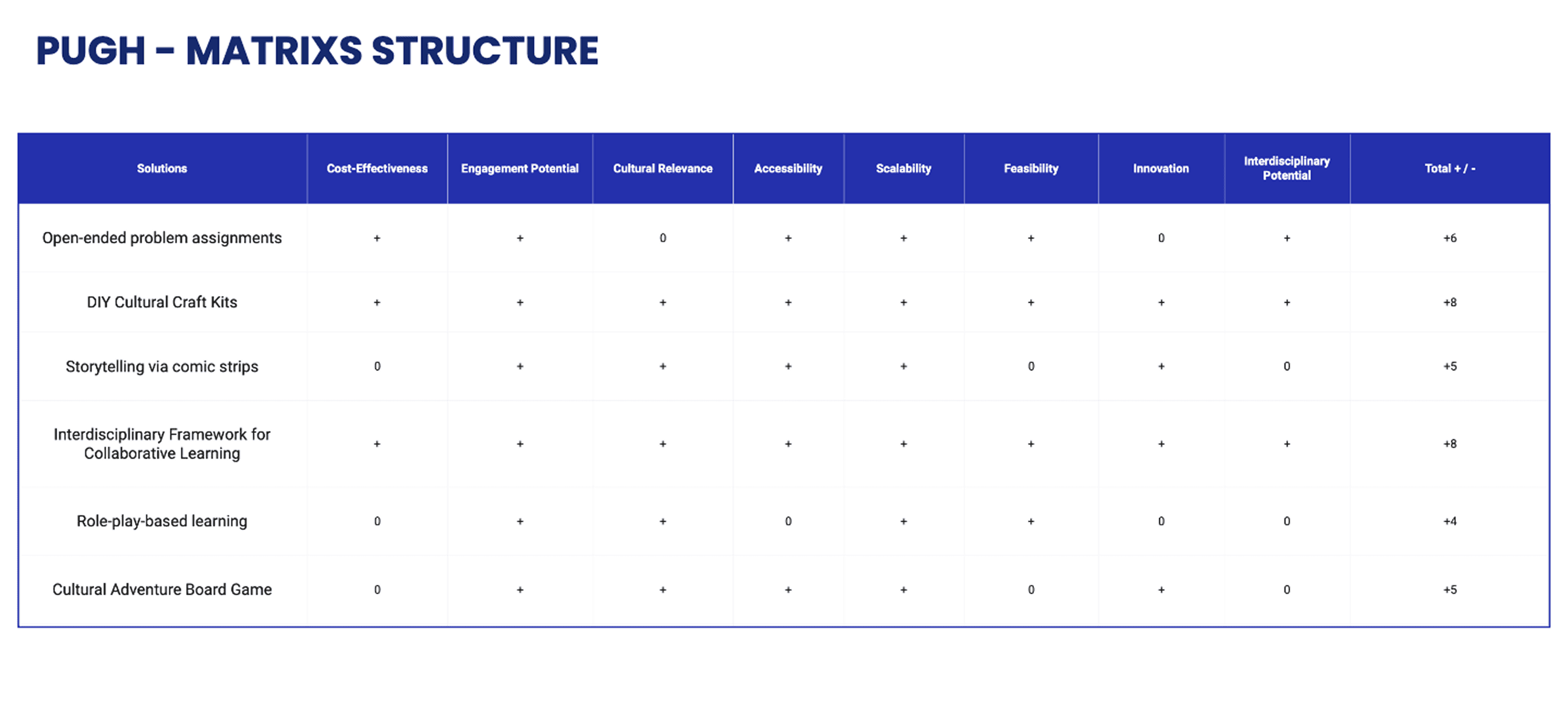
The Physical Matrix Structure provides a tangible framework for mapping and connecting concepts across STEAM disciplines.
Design Specifications
Educational Purpose
Facilitates cross-disciplinary connections and concept mapping
Design Features
Modular components, visual coding system, interactive elements
User Interaction
Encourages collaborative learning, hands-on exploration, iterative thinking
Learning Outcomes
Enhanced concept visualization, improved retention, strengthened connections between subjects
Implementation Strategy
The implementation of our STEAM Pedagogical Aids follows a structured approach to ensure effective integration into educational settings:
01
Education & Training
Preparing educators with the knowledge and skills needed to effectively utilize the pedagogical aids
02
Phased Integration
03
Continuous Assessment
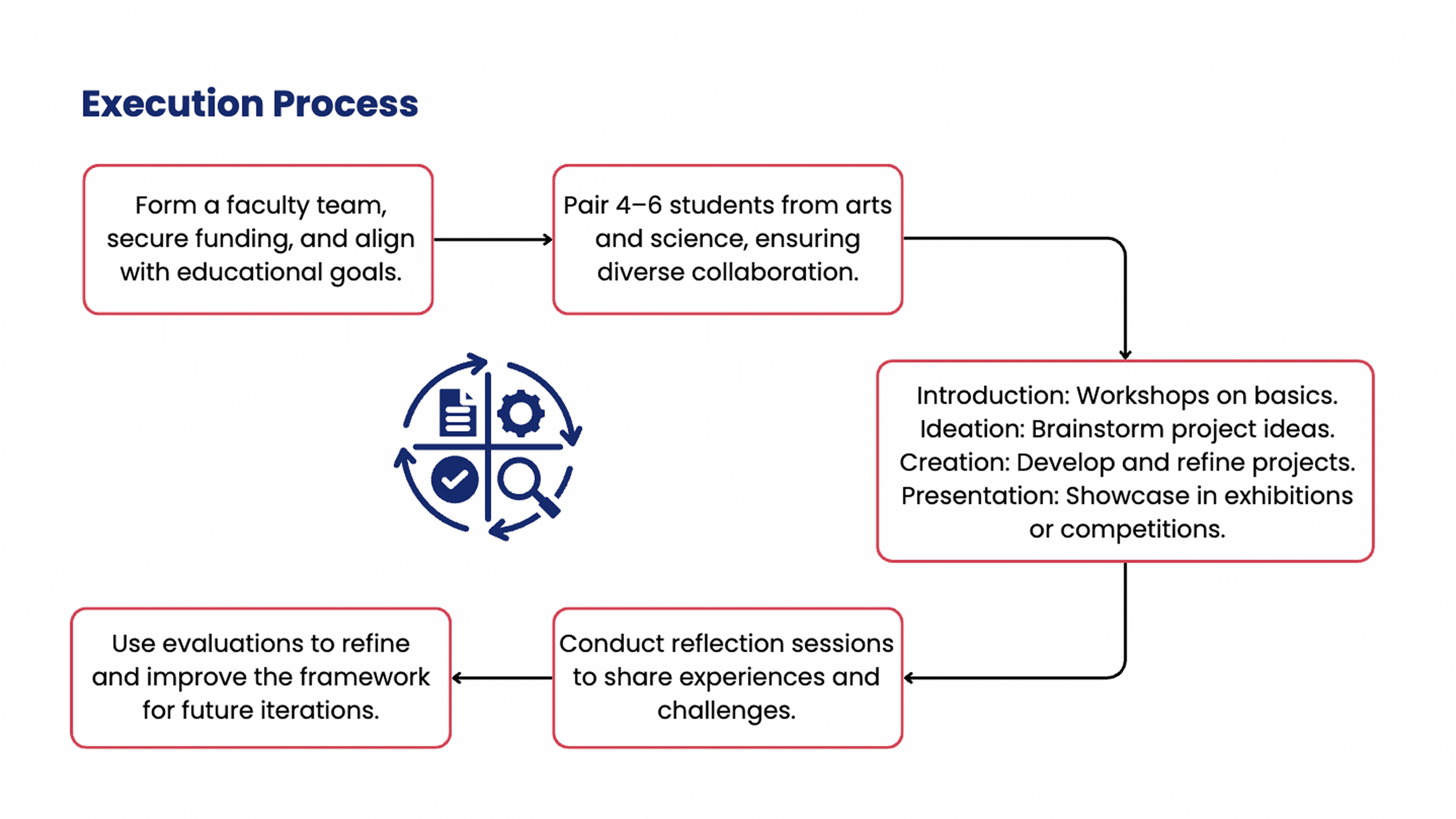
Educational Context Integration
Integration Approaches
Curriculum mapping to identify optimal integration points across subjects
Development of lesson plans and activities utilizing pedagogical aids
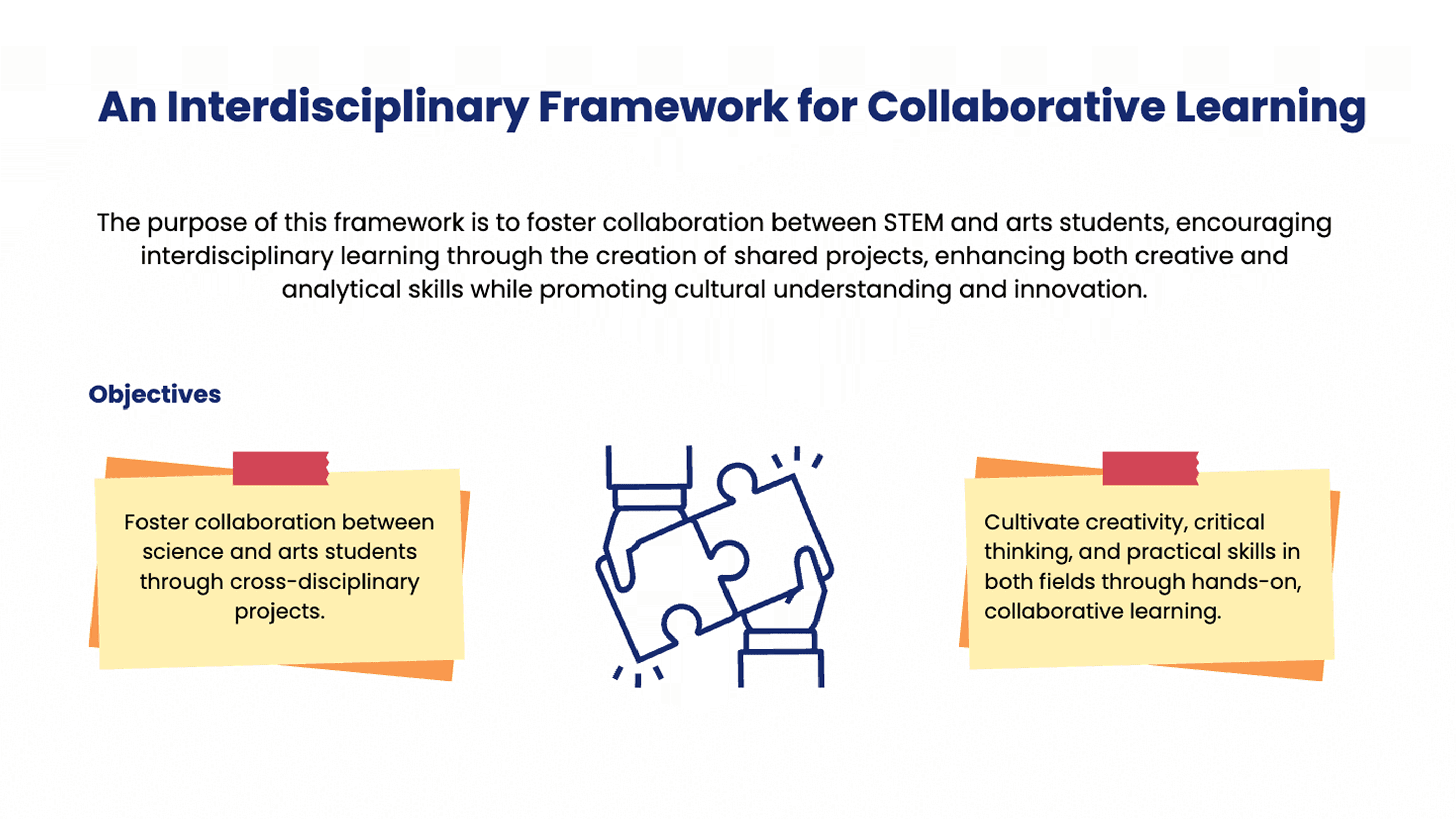
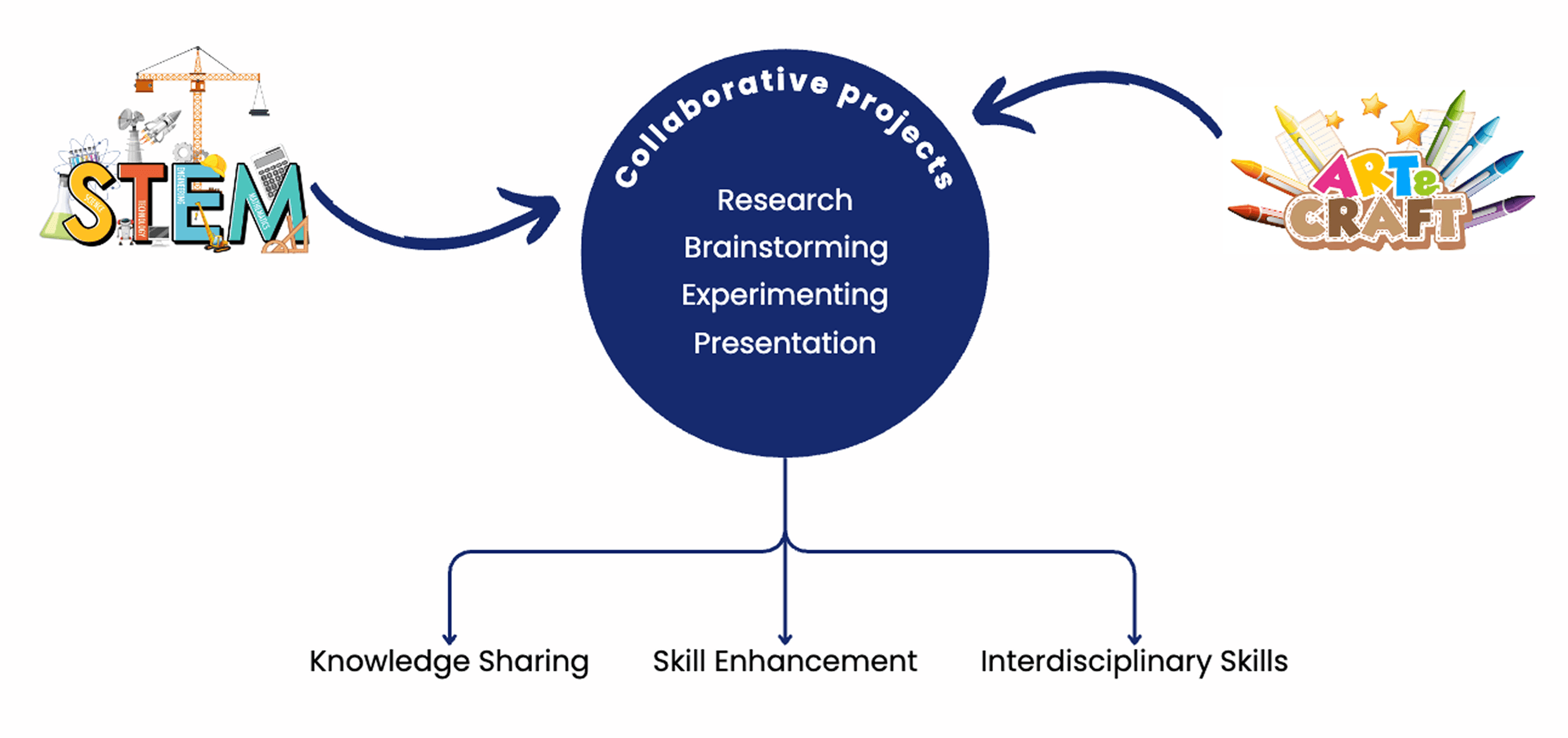
Cross-disciplinary projects that leverage the tools and frameworks
Teacher workshops for building capacity in utilizing the tools effectively
Application Scenarios
Science Classes
Visualization tools for abstract scientific concepts
Engineering Projects
Hands-on design challenges using the matrix structure
Art Integration
Mathematics Learning
Tangible representations of mathematical relationships
Measurement & Evaluation
Evaluation Framework
A comprehensive approach to measuring the impact of pedagogical aids on learning outcomes:
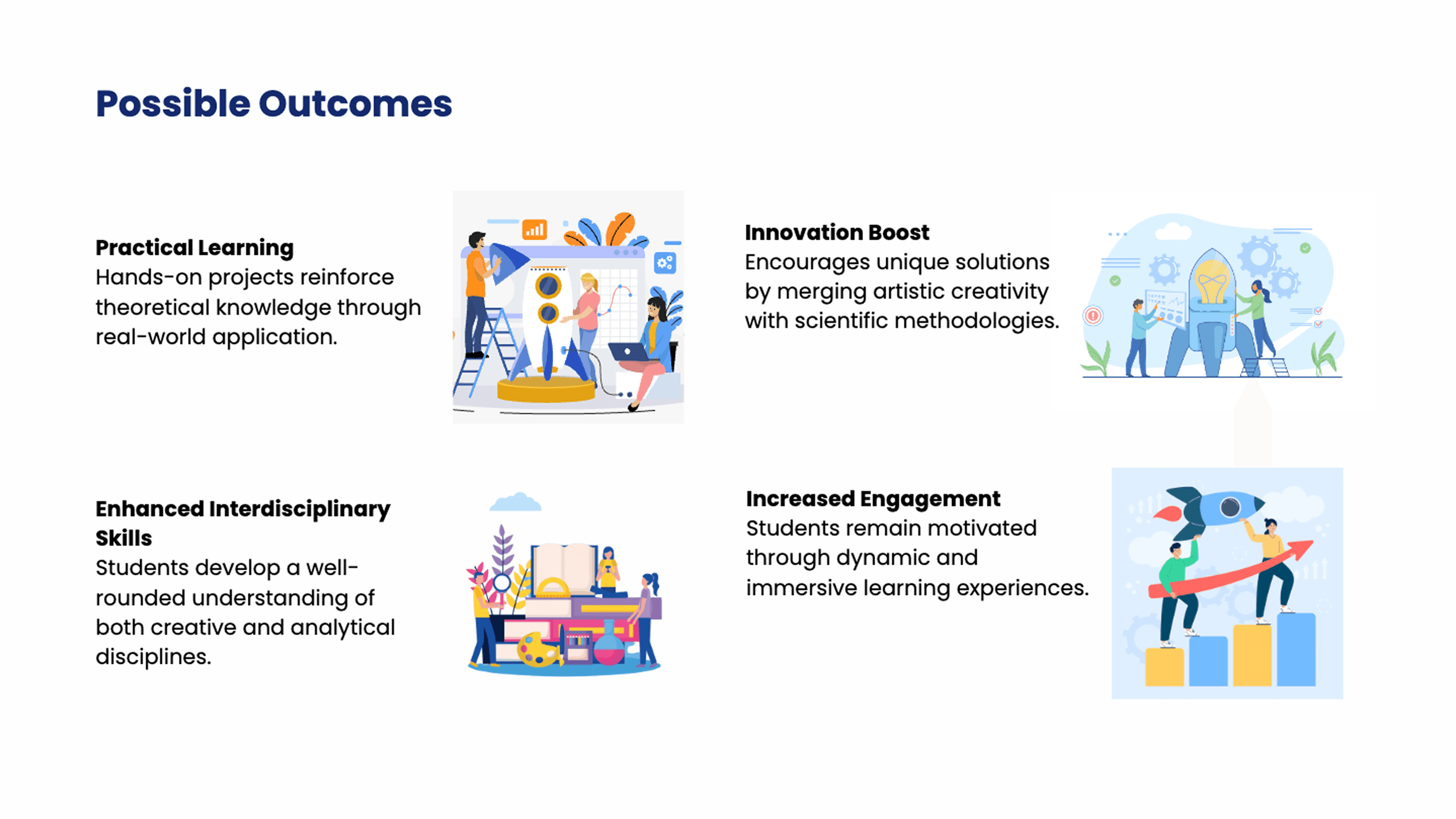
Key Performance Indicators
Engagement
Student participation and interest metrics
Comprehension
Understanding of complex concepts
Retention
Application
Ability to apply concepts in new contexts
Project Documentation